 Jennifer
 The 30-Day Bean Revolution You Didn’t See Coming
Let me tell you something wild: I used to think beans were just those boring things you dumped from a can onto your plate when you’d run out of meal ideas. Boy, was I wrong.
What if I told you that this humble pantry staple could quietly revolutionize your health in just 30 days? We’re talking better heart health, a happier gut, steady blood sugar, and even a trimmer waistline. Sounds almost too good to be true, right? But here’s the thing—the science backs it up, and thousands of women over 40 are discovering what happens when you make beans your daily sidekick.
So buckle up, friend. We’re about to dive deep into the bean zone, and trust me, your body is going to thank you for reading this.
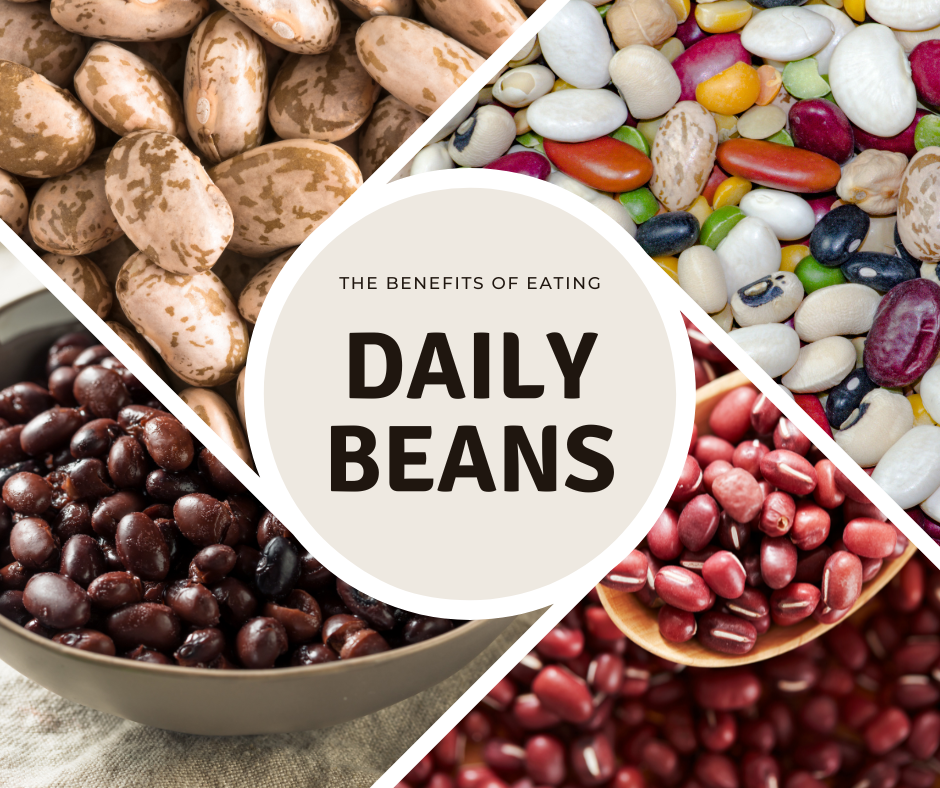
The Magic That Unfolds: What Really Happens When You Eat Beans Every Day
When you commit to eating beans daily—even for just 30 days—your body starts writing a whole new health story. It’s not dramatic fireworks, but rather a gentle, powerful transformation happening beneath the surface.
I am adding beans to my diet as part of my series, One Small Change a Week for menopause relief.
Week 1: Your Gut Wakes Up
You might notice a little extra “activity” in your digestive system (yes, we’ll talk about the gas situation—I promise). Your gut microbiome is basically throwing a party because beans are loaded with prebiotic fiber that feeds the good bacteria living in your intestines.
Week 2-3: The Cholesterol Shift
Your liver starts getting the memo. The soluble fiber in beans binds to cholesterol in your digestive tract and escorts it out of your body like a bouncer at an exclusive club. Many people see their LDL (that’s the “bad” cholesterol) drop within just a few weeks.
Week 4 and Beyond: The Full-Body Benefits
By day 30, you’re likely experiencing steadier energy, better blood sugar control, and possibly even some weight loss. Your heart is happier, your blood pressure might be trending down, and your risk factors for chronic diseases are improving—all from adding a simple cup of beans to your daily routine.
Pretty impressive for something that costs less than your morning latte, don’t you think?
Your Bean Questions, Answered (Because I Know You’re Wondering)
How Many Beans Is It Healthy to Eat in a Day for Heart and Gut Benefits?
Here’s the sweet spot: ½ to 1 cup of cooked beans per day is the magic range most nutritionists recommend. That’s about 100-180 grams if you’re being precise.
This amount gives you:
- 7-15 grams of fiber (hello, gut health!)
- 7-15 grams of plant-based protein
- A solid dose of potassium, magnesium, and folate
- Powerful antioxidants and phytonutrients
For maximum heart benefits, studies show that eating just ½ cup daily can reduce your LDL cholesterol by up to 5%. Not earth-shattering, but combine that with other healthy habits? Now we’re talking real change.
My advice? Start with ½ cup if you’re new to the bean game, then work your way up. Your gut will adjust, I promise.
Are Beans Good or Bad for Your Gut Health and Microbiome—And Do They Really Cause Too Much Gas?
Let’s address the elephant in the room (or should I say, the toot in the room?).
Yes, beans can cause gas. But here’s what most people don’t realize: that’s actually a good sign that your gut is doing its job. The fiber in beans feeds beneficial bacteria, and gas is simply a byproduct of their happy feast.
The Good News:
- Beans are phenomenal for your gut microbiome
- They increase diversity of healthy bacteria
- They strengthen your intestinal barrier
- They reduce inflammation in your digestive tract
The Gas Management Strategy:
- Start slow – Begin with smaller portions and gradually increase
- Soak dried beans for 8-12 hours before cooking (this removes some of the gas-causing oligosaccharides)
- Rinse canned beans thoroughly under cold water
- Add digestive aids like kombu seaweed, ginger, or fennel when cooking
- Give it time – Your body adapts within 2-3 weeks of regular consumption
I found that after about two weeks of daily bean eating, the gas issue basically disappeared. Your gut bacteria population shifts, and suddenly you’re processing beans like a champion.
Can Eating Beans Daily Help Lower Cholesterol and Support Heart Health?
Absolutely, and this is where beans really shine for us women over 40.
Multiple studies have shown that eating beans regularly can:
- Lower LDL cholesterol by 5-10% in just a few weeks
- Reduce total cholesterol levels
- Decrease triglycerides
- Support healthy blood pressure thanks to potassium and magnesium
- Reduce inflammation through antioxidants and polyphenols
One particularly impressive study found that people who ate ¾ cup of beans daily for three weeks saw their LDL cholesterol drop by an average of 5%. Another study showed a 24% reduction in heart disease risk for people who ate beans four or more times per week.
The secret weapons? Soluble fiber and plant sterols. They literally grab onto cholesterol molecules in your gut and prevent them from being absorbed into your bloodstream.
Do Beans Eaten Every Day Help Regulate Blood Sugar and Reduce the Risk of Type 2 Diabetes?
This one’s huge, especially as we navigate our 40s, 50s, and beyond when insulin resistance can start creeping up on us.
Beans have an incredibly low glycemic index (GI), usually between 20-40. For context, white bread clocks in at around 75. What this means: beans release their energy slowly and steadily, preventing those blood sugar spikes and crashes that leave you hangry and exhausted.
Here’s what daily bean consumption does for blood sugar:
- Slows down glucose absorption
- Improves insulin sensitivity
- Reduces post-meal blood sugar spikes by up to 35%
- Helps prevent the progression from prediabetes to full-blown type 2 diabetes
A major review of 41 studies found that people who ate beans regularly had a 35% lower risk of developing type 2 diabetes compared to those who rarely ate them.
For my friends dealing with prediabetes or metabolic syndrome? Beans might just be your new best friend.
Are Beans Good for Weight Loss and Weight Management If You Eat Them Regularly?
Short answer: Yes, yes, and yes.
I lost 12 pounds over three months simply by adding beans to my daily routine (along with other healthy choices, of course—no magic bullets here). But here’s why beans are weight-loss rockstars:
They keep you fuller, longer. That protein-fiber combo is like a one-two punch to hunger. Studies show people who eat beans regularly consume fewer calories throughout the day without even trying.
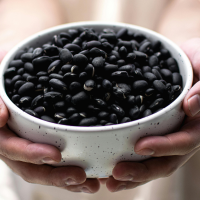
They’re naturally low in fat and calories. One cup of black beans has about 227 calories and less than 1 gram of fat, but delivers 15 grams each of protein and fiber. Try finding that nutrient density in many other foods!
They reduce belly fat. Research suggests regular bean eaters have smaller waist circumferences and lower body weights compared to non-bean eaters.
One study found that people who ate beans were 22% less likely to be obese than those who didn’t eat them. Not too shabby for something that costs pennies per serving.
Which Types of Beans Are Best to Eat Daily for Overall Health?
Here’s the beautiful truth: all beans are nutritional powerhouses. But some do have slight advantages depending on your specific health goals.
| Bean Type | Special Strengths | Best For |
|---|---|---|
| Black Beans | Highest in antioxidants, rich in folate | Heart health, brain function, cancer prevention |
| Chickpeas | High in protein and manganese | Blood sugar control, bone health, weight management |
| Lentils | Quick-cooking, high in iron and folate | Anemia prevention, pregnancy, energy levels |
| Kidney Beans | Rich in fiber and antioxidants | Digestive health, detoxification |
| Pinto Beans | High in kaempferol (anti-inflammatory) | Reducing inflammation, heart health |
| Navy Beans | Extremely high in fiber | Gut health, cholesterol reduction |
| Cannellini (White Beans) | High in resistant starch | Blood sugar control, gut health |
My recommendation? Rotate between different types throughout the week. Variety means you’re getting a broader spectrum of nutrients and keeping your taste buds interested.
Are Canned Beans as Healthy as Dried Beans If You’re Eating Them Every Day?
I love this question because it’s so practical. We’re busy women—we don’t always have time to soak beans overnight.
The verdict: Canned beans are absolutely healthy and nutritious.
Here’s the real talk:
- Canned beans retain about 90-95% of their nutrients
- They’re just as high in fiber and protein
- They’re actually more bioavailable (easier for your body to absorb) because they’re already cooked
The caveats:
- Sodium: Canned beans can be high in salt. Solution? Rinse them thoroughly under cold water—this removes about 40% of the sodium.
- BPA concerns: Choose brands with BPA-free cans if possible (many now are)
- Cost: Dried beans are more economical long-term
My approach? I keep both on hand. Canned for busy weeknights, dried for weekend meal prep. Life’s too short for food snobbery, and both options deliver the health benefits we’re after.
Can a Daily Serving of Beans Help Prevent Conditions Like Cardiovascular Disease, Diabetes, and Some Cancers?
This is where the research gets really exciting, friend.
Cardiovascular Disease: Studies consistently show that people who eat beans regularly have a 22% lower risk of heart disease. The fiber, potassium, folate, and antioxidants work together like a dream team protecting your heart.
Type 2 Diabetes: That 35% reduced risk I mentioned earlier? It’s backed by decades of research. Beans improve insulin sensitivity and help maintain healthy blood sugar levels over the long haul.
Cancer Prevention: Here’s where it gets interesting. Beans contain compounds called saponins and phytates that have shown anti-cancer properties in studies. Research links regular bean consumption with:
- Reduced risk of colorectal cancer
- Lower rates of breast cancer
- Decreased prostate cancer risk
One large study found that women who ate beans or lentils at least twice a week had a 24% lower risk of breast cancer compared to those who ate them less than once a month.
Are beans a miracle cure? No. But as part of an overall healthy lifestyle, they’re one of the most powerful preventive foods you can eat.
How Can You Prepare Beans to Reduce Gas and Digestive Discomfort When Eating Them Daily?
Alright, let’s get tactical. Here are my tried-and-true methods for minimizing the ahem social consequences of bean eating:
For Dried Beans:
- The long soak – Cover beans with water and soak for 8-12 hours, then drain and rinse
- The quick soak – Boil beans for 2-3 minutes, remove from heat, cover, and let sit for 1 hour, then drain and rinse
- Add kombu seaweed to the cooking water (it contains enzymes that break down those gas-causing sugars)
- Don’t cook in the soaking water – Always use fresh water for cooking
- Skim the foam that forms during cooking—it contains some of those oligosaccharides
For Canned Beans:
- Rinse, rinse, rinse – Can’t emphasize this enough. That cloudy liquid contains a lot of the gas-causing compounds.
- Heat with digestive spices – Add cumin, fennel, ginger, or turmeric when cooking
Universal Tips:
- Chew thoroughly—digestion starts in your mouth
- Stay hydrated—fiber needs water to do its job
- Start small and increase gradually—give your gut time to adapt
- Consider a digestive enzyme supplement if you’re particularly sensitive (look for alpha-galactosidase)
Are Beans Safe to Eat Every Day for People with IBS, Prediabetes, High Cholesterol, or High Blood Pressure?
This is where individualization matters, so let’s break it down:
IBS (Irritable Bowel Syndrome): This one’s tricky because everyone with IBS is different. Beans are high in FODMAPs, which can trigger symptoms in some people. However:
- Start with small portions (2-3 tablespoons)
- Try canned, well-rinsed beans first
- Lentils and canned chickpeas are often better tolerated
- Consider working with a dietitian to find your personal tolerance level
Prediabetes: Absolutely yes! Beans are one of the best foods you can eat. Their low glycemic index and high fiber content make them perfect for blood sugar regulation.
High Cholesterol: Definitely! Beans are specifically recommended for cholesterol management. That soluble fiber is your ally here.
High Blood Pressure: Yes, with one caveat: If you’re using canned beans, rinse them well or choose no-salt-added varieties. The potassium and magnesium in beans actually help lower blood pressure, making them beneficial for most people with hypertension.
Always consult your healthcare provider if you have specific medical conditions or concerns. But for most people, beans are not just safe—they’re therapeutic.
How Do Beans Compare with Meat or Protein Powders as a Daily Protein Source?
This is my favorite comparison because beans consistently surprise people with how they stack up.
Beans vs. Meat:
| Nutrient | 1 Cup Black Beans | 3 oz Lean Beef |
|---|---|---|
| Protein | 15g | 22g |
| Fiber | 15g | 0g |
| Fat | <1g | 7g |
| Calories | 227 | 182 |
| Iron | 3.6mg | 2.3mg |
| Cholesterol | 0mg | 58mg |
| Cost | ~$0.30 | ~$2.50 |
The bean advantages:
- Zero cholesterol
- Packed with fiber
- Significantly cheaper
- Rich in complex carbs for sustained energy
- Lower environmental impact
The meat advantages:
- Complete protein (contains all essential amino acids)
- Higher protein density
- Rich in B12 (beans have none)
Beans vs. Protein Powder:
Protein powder gives you concentrated protein (20-30g per scoop) but lacks the fiber, vitamins, minerals, and antioxidants that beans provide. Think of protein powder as a supplement—useful for convenience, but whole food sources like beans offer a complete nutritional package.
For plant-based and flexitarian diets: Beans are absolute gold. Combine them with whole grains (rice, quinoa, bread) throughout the day to get all essential amino acids. You don’t need to eat them in the same meal—your body is smart enough to piece together a complete protein throughout the day.
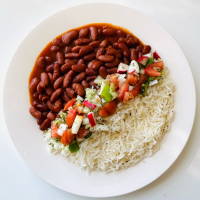
Your 30-Day Bean Challenge: A Practical Game Plan
Ready to experience the bean transformation yourself? Here’s how to ease into it:
Week 1: Start with ½ cup every other day Week 2: Increase to ½ cup daily Week 3: Bump up to ¾ cup daily Week 4: Aim for 1 cup daily (if tolerated well)
Easy Ways to Get Your Daily Beans:
- Add to morning scrambles or breakfast burritos
- Toss into salads at lunch
- Blend into soups and stews
- Make bean-based dips (hummus, bean dip)
- Use as a meat substitute in tacos and pasta sauces
- Roast chickpeas for a crunchy snack
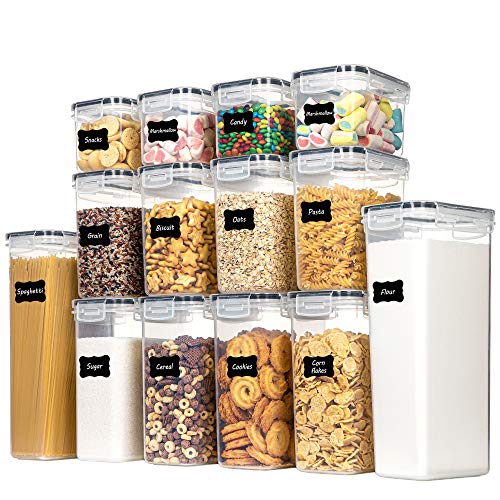
Tools for Cooking Beans
![Cool Beans: The Ultimate Guide to Cooking with the World's Most Versatile Plant-Based Protein, with 125 Recipes [A Cookbook]](https://m.media-amazon.com/images/I/51R6KcjOACL._SL500_.jpg)




The Bottom Line: Your Body on Beans
After 30 days of daily bean consumption, you’re looking at a body that’s working better on almost every level. Your heart is healthier. Your gut is happier. Your blood sugar is more stable. Your waistline might be a bit trimmer. And your risk of chronic disease has quietly decreased.
All from a food that’s been feeding humans for over 10,000 years.
The beauty of beans is that they’re not asking you to do anything extreme. You don’t need to buy expensive supplements or follow complicated protocols. You just need to add one simple, delicious, affordable food to your daily routine.
So here’s my challenge to you: Try it for 30 days. Add beans to your meals, notice how you feel, and watch what happens. I think you’re going to be pleasantly surprised.
And hey, if you discover a fantastic bean recipe along the way, drop it in the comments below. We’re all in this together, and I’d love to hear about your bean journey.
Here’s to your health—one humble bean at a time. 🌱
Affiliate Disclosure: This blog may contain affiliate links to products I recommend. If you purchase through these links, I may earn a small commission at no additional cost to you. I only recommend products I personally use or believe will add value to my readers. Your support helps keep this blog running and allows me to continue providing free, helpful content. Thank you for your support!