
 Jennifer
You know that feeling when your to-do list is scattered across three different apps, two sticky notes, and the back of a receipt you swore you’d recycle? Yeah, me too. That’s exactly where I was before I discovered bullet journaling—a game-changing system that’s part planner, part creative outlet, and entirely life-changing.
Here’s the thing, bullet journaling isn’t just another trendy organizational method that’ll fade faster than your New Year’s resolutions. It’s a flexible, customizable system that adapts to your life, not the other way around. Whether you’re drowning in deadlines, struggling to track your habits, or just want to feel a bit more in control, bullet journaling might be the productivity BFF you didn’t know you needed.
In this guide, I’m pulling back the curtain on everything you need to know about bullet journaling—from setting up your first page to maintaining momentum when life gets chaotic. Trust me, by the end of this, you’ll be ready to create a system that actually works for you.
What Is Bullet Journaling and How Is It Different from a Regular Planner?
Let’s start with the basics. Bullet journaling (or “BuJo” if you’re into the whole brevity thing) was created by Ryder Carroll as an analog system for organizing your life using rapid logging, migration, and reflection. Fancy words, I know—but stick with me.
Think of it this way: a regular planner is like buying clothes off the rack. Sure, they might fit okay, but they’re designed for a generic body type. A bullet journal? That’s your custom-tailored suit. You’re the designer, the architect, and the end user all rolled into one.
Here’s what makes bullet journaling fundamentally different:
Flexibility is king. Traditional planners lock you into pre-printed layouts that might not match how your brain works. Bullet journaling lets you create pages for whatever you need—habit trackers, meal plans, reading lists, brain dumps—literally anything. If you can imagine it, you can journal it.
Rapid logging keeps it simple. Instead of writing lengthy journal entries, you use symbols (bullets, dots, dashes) to quickly capture tasks, events, and notes. A simple dot (•) means task, a dash (—) means note, and a circle (○) means event. This bullet journal key system makes logging lightning-fast.
Migration prevents overwhelm. At the end of each month, you review unfinished tasks and decide: complete it, schedule it, or delete it. This conscious reflection prevents that soul-crushing feeling when you flip through pages of unchecked tasks.
The beauty? You’re not just passively filling in boxes. You’re actively engaging with your goals, priorities, and daily life. It’s mindfulness meets productivity, and honestly? It’s kind of magical.
How Do Beginners Start a Bullet Journal from Scratch (What Pages Do I Need First)?
Alright, you’re convinced. You want in. But staring at that blank first page feels about as comfortable as karaoke night when you forgot the lyrics. Don’t panic—I’ve got you.
Starting a simple bullet journal requires just four essential pages. That’s it. Four. You can absolutely add more later, but let’s not overwhelm ourselves on day one.
The Essential Four Pages for Beginners
1. The Index (Your Journal’s GPS)
Start with 2-4 pages at the front of your notebook. This is where you’ll log everything you create with corresponding page numbers. Think of it as your journal’s table of contents. Every time you add a new collection or spread, jot it down here. Future you will thank present you when you’re hunting for that workout tracker you created in March.
2. The Key (Your Personal Legend)
Your bullet journal key is typically a single page that explains your symbol system. Here’s a starter version:
- • Task
- × Task complete
- Task migrated
- < Task scheduled
- — Note
- ○ Event
- ! Priority
- ★ Inspiration
Feel free to customize this as you go. Some people add symbols for work tasks vs. personal tasks, or mark important items with specific colors.
3. Future Log (The Big Picture View)
The bullet journal future log setup gives you a bird’s-eye view of the next 6-12 months. I typically divide two pages into six boxes (one for each month) where I note important dates, deadlines, and goals. Birthday in July? Write it down. Conference in October? Capture it. This prevents things from slipping through the cracks.
4. Monthly Log (Your Command Center)
This is where the magic happens. Your bullet journal monthly spread layout typically includes two parts:
- A calendar page showing all the days of the month
- A task list for things you want to accomplish that month
Some people get fancy with their monthly spreads (and more power to them), but a minimalist bullet journal setup works beautifully too. A simple numbered list of dates on the left, tasks on the right—done and dusted.
Once you’ve got these four foundations, you’re ready to dive into daily logging. Everything else—habit trackers, mood logs, collection pages—can be added as you discover what you need. Start simple, expand thoughtfully.
Which Notebook Is Best for Bullet Journaling (Size, Paper Weight, Dot Grid vs Lined)?
Let me be real with you: choosing your first bullet journal notebook feels like a bigger commitment than most of my relationships. You’re going to be spending quality time with this thing daily, so let’s make sure you pick the right match.
Size Matters (But Maybe Not How You Think)
The gold standard is A5 size (5.8″ x 8.3″), which strikes that perfect balance between portability and writing space. It fits in most bags without feeling cramped. However, I’ve seen people rock everything from pocket-sized A6 journals to sprawling A4 notebooks—it depends on your lifestyle.
Ask yourself: Will this live on your desk or travel in your purse? Do you want room for elaborate spreads or just quick captures?
Paper Weight: The Unsung Hero
Here’s where I got schooled early on. Paper weight matters tremendously if you plan to use markers or watercolors. Look for notebooks with 80-100 gsm paper minimum. Anything lighter, and you’ll experience ghosting (seeing ink through the page) or worse—bleeding through entirely.
Standard copy paper is about 75gsm, for reference. Trust me, invest the few extra dollars in quality paper. Your future artistic endeavors will thank you.
The Great Debate: Dot Grid vs. Lined vs. Blank
Dot grid is the bullet journaling MVP. Those subtle dots provide guidance without being intrusive, making it easier to create straight lines, tables, and organized spreads. They’re there when you need structure but disappear into the background when you want creative freedom.Lined pages work if you’re keeping things text-heavy and simple, but they can feel restrictive for trackers and creative layouts.Blank pages offer maximum freedom but require serious confidence (or a ruler collection). They’re great for artistic souls but intimidating for beginners.
My Top Notebook Recommendation
For beginners seeking quality without breaking the bank, I absolutely love the Lemome Dotted Journal. This beauty features 125gsm thick paper (say goodbye to bleeding!), lies completely flat when open (game-changer for writing), and comes with helpful extras like a pen loop and pocket folder.
The paper quality makes it perfect for experimenting with different pens and light watercoloring without worrying about ruining the next page. Plus, it’s affordable enough that you won’t feel paralyzed by perfection pressure.
What Are the Essential Supplies for Bullet Journaling on a Budget?
Let’s talk money, honey. Social media will have you believing you need 47 different washi tapes and a marker collection that costs more than your monthly grocery bill. Spoiler alert: you absolutely don’t.
The Bare Minimum (Seriously, This Is All You Need)
1. A notebook (we covered this—around $10-20)
2. A pen you love (literally any pen that writes smoothly—$2-5)
That’s it. You could start bullet journaling today with these two items. Everything else is gravy.
Budget-Friendly Upgrades That Actually Matter
If you want to level up without liquidating your savings account, here are my strategic investments:
- A ruler ($1-3): Straight lines elevate even the simplest spreads. Game-changer for minimalists.
- One good black pen: I swear by Pilot G2 pens (pack of 12 for under $15). They write smoothly, don’t bleed, and are available everywhere.
- One highlighter or colored pen: Sometimes you just need to color-code priorities. A single bright color adds visual interest without overwhelming.
- Correction tape ($6): Because mistakes happen, and you deserve to fix them without ripping out pages in frustration.
What You DON’T Need (But Will Be Tempted to Buy)
- Expensive marker sets (wait until you know your style)
- Stencils and templates (learn to draw basics by hand first)
- Decorative washi tape (cute but not essential)
- Pre-made stickers (defeats the customization purpose)
The bullet journaling community has a dirty little secret: the most effective journals are often the simplest. A minimalist bullet journal setup using basic supplies can be just as productive (if not more) than elaborate artistic spreads.
Start small. Add supplies as you discover what actually serves your practice. Your wallet will thank you, and you’ll avoid that drawer of unused craft supplies we all pretend doesn’t exist.
How Do You Set Up a Bullet Journal Index, Key, Future Log, Monthly Log, and Daily Log?
Now we’re getting into the nuts and bolts—the actual architecture of your bullet journal system. This is where organization meets customization, and I promise it’s easier than assembling IKEA furniture.
The Index: Your Navigation System
Setup:
Reserve the first 2-4 pages of your journal. Number your pages as you create new spreads (yes, manually—embrace the analog life). List each spread with its page numbers in your index.
Example:
Future Log ..................... 5-6
January Monthly ................. 7-8
Habit Tracker ................... 9
Reading List ................... 10
Work Projects .............. 11-13
Pro tip: Leave space between entries for easy updates and additions.
The Key: Your Symbol Dictionary
Setup:
Dedicate one page (usually page 4) to your symbol system. Start with the basics and add custom symbols as you discover needs.
Essential Bullet Journal Key Examples:

Future Log: Your Long-Term Planner
Setup:
The traditional bullet journal future log setup spreads across 2-4 pages. Divide the space into 6-12 boxes, one per month.
Method 1 (Alastair Method):
Create three columns across two pages. Each column represents one month. List dates vertically, add events and tasks beside them.
Method 2 (Simple Boxes):
Draw six boxes across two pages, one box per month. Jot down major events, deadlines, and goals for each month.
I prefer Method 2 for its clean simplicity. It gives me just enough space for the big stuff without overwhelming detail.
Monthly Log: Your Monthly Command Center
Setup:
At the start of each month, create your monthly spread across two pages.
Left Page – Calendar:
List dates 1-31 vertically with corresponding day of the week. Mark important events, appointments, and deadlines.
Right Page – Task List:
Brain dump everything you want to accomplish this month. This is your monthly to-do list that you’ll reference when creating daily logs.
Bullet Journal Monthly Spread Layout Example:
Left Page:              Right Page:
1 Mon    Meeting         □ Complete project proposal
2 Tue                    □ Schedule dentist appointment
3 Wed    Yoga 6pm        □ Organize garage
4 Thu                    □ Plan summer vacation
Some people add a goals section, reflection space, or monthly trackers here. Experiment to find your sweet spot.
Daily Log: Your Daily Dashboard
Setup:
Each day (or batch of days), create a simple list with the date as a header. Use your key symbols to rapid-log tasks, events, and notes as they happen.
Example:
Monday, December 9

- Send report to Sarah
○ Team meeting 2pm
— Sarah mentioned new project timeline
- Grocery shopping
  - Milk
  - Bread
  - Coffee (always coffee)
! Call insurance company
The beauty of daily logs is their flexibility. Some days you’ll fill pages; other days you’ll write three bullets. Both are perfectly valid. There’s no “right” amount to write—just capture what matters.
What Are the Best Bullet Journal Ideas for Productivity, Goals, and Time Management?
Here’s where bullet journaling transforms from organizational system to life-changing tool. These simple bullet journal ideas for beginners will supercharge your productivity without requiring an art degree.
Productivity Powerhouses
1. Weekly Sprint Planner
Create a bullet journal weekly spread that breaks your week into manageable chunks. I divide mine into seven columns (one per day) with rows for:
- Top 3 priorities
- Appointments
- Tasks
- Notes
This bird’s-eye view helps you distribute work evenly instead of panic-cramming everything into Friday afternoon (guilty as charged).
2. Time Blocking Template
Dedicate a page to time-blocking your ideal week. Assign specific tasks to specific hours. This prevents that soul-sucking feeling of “where did my day go?” because you’ve pre-planned your focus zones.
3. Pomodoro Tracker
Draw 25-minute boxes for each Pomodoro session. Check them off as you complete focused work periods. Seeing those checked boxes accumulate is oddly satisfying and motivating.
Goal-Crushing Collections
4. SMART Goals Breakdown
Create a page for each major goal with:
- Specific target
- Measurable milestones
- Action steps
- Resources needed
- Target date
Breaking overwhelming goals into bite-sized actions makes them feel achievable rather than anxiety-inducing.
5. Quarterly Vision Board
Every three months, create a visual spread of your goals using drawings, magazine cutouts, or printed images. This creative approach engages different parts of your brain and keeps goals front-of-mind.
6. Progress Tracker
For long-term goals (writing a book, learning a language, saving money), create a visual tracker showing incremental progress. Whether it’s coloring in a thermometer or filling in a grid, visual progress is incredibly motivating.
Time Management Gold
7. Eisenhower Matrix
Dedicate a page to sorting tasks by urgency and importance:
- Urgent + Important (do now)
- Important but not urgent (schedule)
- Urgent but not important (delegate)
- Neither (eliminate)
This clarifies where your energy should actually go instead of spending time on busy work that feels productive but isn’t.
8. Meal Planning Spread
This might not seem like time management, but hear me out: planning meals weekly saves hours of “what’s for dinner?” decision fatigue and reduces food waste. Win-win.

9. Brain Dump Pages
When your mind is racing, dump everything onto a page. Then categorize items into actionable tasks, ideas to explore later, or things to let go. This mental decluttering is pure gold for focus.

The secret sauce? Pick 2-3 ideas that resonate with your specific challenges. Don’t try to implement everything at once—that’s a recipe for burnout. Start small, build momentum, expand thoughtfully.
How Can I Make My Bullet Journal Minimalist If I’m Not Artistic?
Let me tell you a secret: some of the most effective bullet journals I’ve seen look nothing like the Instagram-worthy spreads flooding your feed. Minimalist bullet journal setup isn’t about artistic inability—it’s about intentional simplicity.
Why Minimalism Works
Minimalist bullet journaling focuses on function over decoration. When you strip away the aesthetic pressure, you’re left with a system that’s:
- Faster to set up (more time for actually using it)
- Less intimidating to maintain
- Focused on what matters (the content, not the container)
- Sustainable long-term (no burnout from elaborate spreads)
Essential Minimalist Techniques
1. Embrace Negative Space
White space isn’t wasted space—it’s breathing room. Don’t feel compelled to fill every inch of the page. Clean, uncluttered layouts are easier to scan and less visually overwhelming.
2. Stick to One or Two Pens
A single black pen creates a cohesive, professional look. If you want variety, add one accent color for headers or priorities. That’s it. Two pens. Maximum impact, minimum fuss.
3. Use Simple Dividers
Instead of elaborate headers and banners, try:
- Straight lines (with a ruler)
- Simple boxes
- Underlined text
- Uppercase vs. lowercase differentiation
4. Create Functional Layouts
Your spreads should answer: “What information do I need, and what’s the clearest way to present it?” That’s it. No flowers, no calligraphy, no elaborate doodles required.
Minimalist Spread Ideas You Can Set Up in 5 Minutes
Simple Monthly Layout:
JANUARY 2026
1-7:
8-14:
15-21:
22-31:

GOALS:
□
□
□
Basic Habit Tracker:
Habit12345...31Exercise××××Reading××××Water××××
Minimalist Daily Log:
Monday 12/9
□ Task one
□ Task two
— Important note
The Permission You Need
Here it is: Your bullet journal doesn’t need to be pretty to be effective. In fact, overthinking aesthetics is the fastest way to abandon your practice entirely. The best bullet journal is the one you actually use, not the one that photographs well.
If anyone gives you grief about your minimalist spreads, remember: they’re probably spending more time decorating than doing. You’re playing the long game, and that’s exactly how you win.
What Are Some Habit Tracker and Mood Tracker Ideas for a Bullet Journal?
Tracking your habits and moods is where bullet journaling gets personal. These pages become mirrors reflecting patterns you might not otherwise notice—and that self-awareness is pure gold for personal growth.
Habit Tracker Hall of Fame
Bullet journal habit tracker ideas range from simple to creative, but they all serve one purpose: making consistency visible.
1. Classic Grid Tracker
Create a grid with habits as rows and dates as columns. Each day, mark an X or color in the box for completed habits. At month’s end, you’ll see patterns immediately—which days are strongest, which habits need more attention.
2. Mini Monthly Calendar
Draw 30-31 tiny boxes representing each day of the month. Color-code different habits, filling in boxes as you complete them. This compact version works great for tracking 3-4 key habits without dedicating a full page.
3. Circular Tracker
Draw concentric circles divided into pie slices (one per day). Each ring represents a different habit. Color in your slice when you complete the habit. This creates a visually striking mandala-like pattern.
4. Vertical Bar Chart
Create vertical bars for each day of the month. Each habit gets a different section within the bar. Color in sections as you complete habits. This gives you a quick visual of which days were most productive.

High-Impact Habits Worth Tracking
Not sure what to track? Here are habits that consistently deliver outsized returns:
- Water intake (8+ glasses daily)
- Exercise (any movement counts)
- Sleep hours (track bedtime and wake time)
- Reading (even 10 minutes daily)
- Meditation/mindfulness
- No phone before bed
- Vegetables with meals
- Gratitude practice
Start with 3-5 habits maximum. More than that, and tracking becomes a chore rather than a tool.
Mood Tracker Magic
Bullet journal mood tracker layout options help you identify emotional patterns, triggers, and correlations you’d never spot otherwise.
1. Color-Coded Calendar
Assign each emotion a color (blue = calm, yellow = happy, red = stressed, etc.). Each day, color the date based on your dominant mood. Over time, you’ll see patterns emerge—maybe Mondays are consistently stressful, or weekends boost your mood.
2. Mood Mandala
Draw a circle divided into sections (like a pie). Each section represents one day. Use colors to illustrate your mood gradient throughout the month. This creates a beautiful, artistic representation of emotional patterns.
3. Line Graph Mood Tracker
Create a simple line graph with dates on the X-axis and mood rating (1-10) on the Y-axis. Plot your daily mood. This scientific approach reveals trends clearly—are you trending upward? Experiencing weekly cycles?
4. Icon-Based Tracker
Draw small faces or weather icons representing different moods (😊 😐 😔 ⛅ ☀️ 🌧️). Each day, fill in the corresponding icon. This playful approach makes tracking feel less clinical.

The Tracking Sweet Spot
Here’s what I’ve learned: track enough to gain insights but not so much that it becomes burdensome. If filling out your trackers feels like homework, you’re tracking too much. The goal is awareness, not perfection.
Also, don’t beat yourself up over incomplete trackers. Gaps in your tracking are data too—they show when life got overwhelming or priorities shifted. That’s valuable information.
How Do I Avoid Getting Overwhelmed or Giving Up on My Bullet Journal After a Few Weeks?
Alright, let’s address the elephant in the room: bullet journal abandonment is real. I’ve seen more deserted journals than ghost towns, and I’ve contributed to that statistic more times than I’d like to admit.
Here’s the truth: you’re not failing at bullet journaling. The system is failing you because you’re trying to maintain someone else’s version of what a bullet journal “should” look like.
Why People Give Up (And How to Avoid It)
Overwhelm Trigger #1: Perfectionism Paralysis
You see those gorgeous spreads on Pinterest and think yours needs to match. Then you spend 45 minutes drawing a header instead of actually planning your week, get frustrated, and quit.
The Fix: Give yourself permission to be messy. Your bullet journal is a tool, not a portfolio. Embrace functional ugliness. Some of my most productive months featured spreads that looked like a toddler planned them—and they worked beautifully.
Overwhelm Trigger #2: Over-Complicating the System
You create elaborate trackers, multiple weekly spreads, color-coded systems, and decorative elements that require daily maintenance. Suddenly, maintaining your productivity system is a full-time job.
The Fix: Start ridiculously simple. Use only the four core pages (index, key, future log, monthly log) for your first month. Add complexity only when you feel a genuine need, not because you think you should.
Overwhelm Trigger #3: Missing Days and Feeling Behind
Life happened, you missed three days, and now you feel like you’ve “broken” your system. The shame spiral begins, and abandonment follows.
The Fix: Bullet journaling isn’t like Duolingo—you don’t lose your streak if you miss days. Simply write today’s date and continue. Those blank days? They’re a feature, not a bug. They show you when life demanded your full attention elsewhere.
Sustainability Strategies That Actually Work
1. The Five-Minute Rule
If setting up your weekly spread takes more than five minutes, simplify it. Bullet journaling should save time, not consume it.
2. Abandon What Doesn’t Work
That elaborate meal planning spread you created? If you haven’t referenced it in two weeks, ditch it. No guilt, no shame. The beauty of bullet journaling is evolution—keep what works, abandon what doesn’t.
3. Schedule Setup Time
Don’t wait until the panic of a new month to set up spreads. Block 20 minutes the weekend before to create your monthly log. This prevents rushed, resentful setup sessions.
4. Lower Your Standards (Seriously)
Your bullet journal doesn’t need to be Instagram-worthy to be effective. In fact, the most sustainable practices are usually the least photogenic. Embrace good enough.
5. Use Pencil First
When testing new spreads or layouts, sketch them in pencil first. This removes the permanence pressure and lets you experiment freely.
6. Focus on Function Over Form
Ask yourself weekly: “Is this journal making my life easier or harder?” If it’s adding stress, simplify immediately. The journal serves you, not vice versa.
The Comeback Strategy
Already abandoned a journal? Here’s your no-shame return plan:
- Open to a fresh page (don’t even look at the old spreads)
- Write today’s date
- Create a simple daily log
- Continue from here
That’s it. No need to “catch up” on missed days or feel guilty about blank pages. You’re not resuming where you left off—you’re starting fresh with the knowledge and experience you’ve gained.
The journals that last aren’t the prettiest—they’re the most forgiving. Build forgiveness into your system, and you’ll be amazed how long you stick with it.
What Are the Best Pens and Markers That Don’t Ghost or Bleed Through Bullet Journal Paper?
Let’s talk tools, specifically the ones that won’t betray you by bleeding through your carefully crafted spreads. Because nothing crushes your bullet journaling soul quite like flipping a page and seeing ghosting or bleed-through ruining your next spread.
The Pen Reality Check
Here’s what matters when choosing pens for bullet journaling:
Paper weight (your notebook’s gsm) matters more than pen type. Even “safe” pens can bleed on thin paper, while most pens work fine on heavy paper.
Ink type affects performance:
- Gel pens: smooth writing but higher bleed risk
- Ballpoint: safest option, minimal bleed
- Felt-tip: depends on tip size and ink saturation
- Fountain pens: beautiful but risky on standard paper
The No-Bleed All-Stars
Best Overall: Pilot G2 Gel Pens
The G2 strikes the perfect balance—smooth writing without excessive bleeding. The 0.5mm and 0.7mm sizes work beautifully on 80+ gsm paper. Plus, they’re affordable and available everywhere. I buy mine in bulk because I go through them like candy.
Runner-Up: Staedtler Pigment Liners
These fineliner pens are archival quality (won’t fade over time) and produce crisp lines without bleeding. Available in multiple tip sizes, they’re perfect for both writing and drawing. The 0.3mm and 0.5mm sizes are my go-to for detailed work.
Budget Champion: Muji Gel Ink Pens
Incredibly affordable with minimal ghosting, Muji pens write smoothly and come in a range of colors. They’re my secret weapon for color-coding without investing in expensive marker sets.
Markers and Highlighters: The Tricky Territory
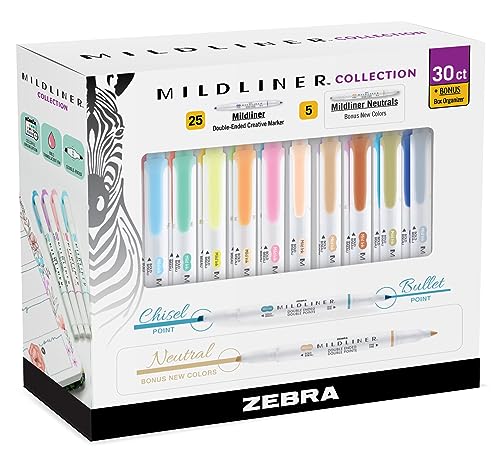
Most markers will bleed through standard notebook paper—it’s physics, not failure. However, if you have 100+ gsm paper, these work well:
These pastel highlighters have a cult following in the bullet journaling community. The colors are subtle enough for daily use, and they ghost minimally on quality paper. They also have a fine bullet tip on one end for underlining.
If you’re getting artistic, these water-based markers blend beautifully and don’t bleed excessively on thick paper. They’re pricier but worth it for special spreads or headers.

Crayola Supertips

Don’t sleep on these childhood classics. They’re incredibly affordable, come in tons of colors, and perform surprisingly well on decent paper. Perfect for budget-conscious journalers who want color variety.
The Testing Protocol
Before committing any pen or marker to your journal, test it on the last page of your notebook. Check both sides for:
- Bleeding (ink visibly on the reverse side)
- Ghosting (faint shadow visible from the reverse)
- Drying time (smudging potential)
Create a test key of all your pens with notes about their performance. This reference saves you from future disasters and helps you choose the right tool for each task.
Pro Tips for Preventing Bleed-Through
- Use lighter pressure: Don’t press hard when writing—let the pen do the work
- Let ink dry: Give gel pens 5-10 seconds to dry before turning pages
- Layer wisely: If using markers, place a blank page behind your current spread as a bleed barrier
- Invest in paper quality: The best pens can’t overcome terrible paper—prioritize your notebook investment
Insert image of pen comparison and bleed-through test here
Remember: the “best” pen is the one that writes smoothly, doesn’t bleed on your specific paper, and makes you actually want to write. Sometimes that’s a fancy fineliner; sometimes it’s a basic ballpoint. Both are valid choices.
How Do I Use a Bullet Journal for Specific Goals Like Fitness, Budgeting, or Studying?
Here’s where bullet journaling transforms from general organizational system to specialized tool that targets your exact goals. Whether you’re trying to lose weight, save money, or ace your exams, your journal can become your accountability partner and progress tracker.
Bullet Journal for Fitness Success
Workout Log Spread
Create a dedicated page tracking:
- Exercise type
- Duration/reps/sets
- How you felt (energy level, soreness)
- Personal records
This builds a historical record showing actual progress, not just perceived effort. Seeing “benched 135 lbs” three months after starting at 95 lbs? That’s motivation you can’t get from memory alone.

Meal Planning & Tracking
Dedicate weekly spreads to:
- Planned meals (breakfast, lunch, dinner, snacks)
- Water intake tracking
- Protein/macro goals
- Weekly grocery list
Planning ahead prevents the “screw it, let’s order pizza” moments that derail fitness goals.

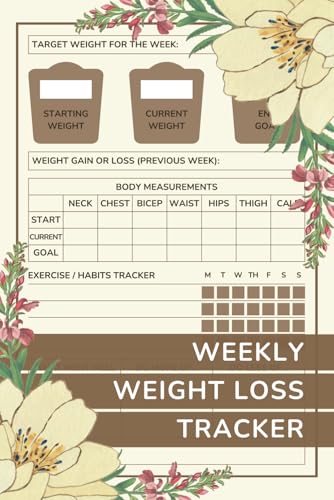
Body Measurements Tracker
Create a table tracking measurements monthly. Progress isn’t always visible on the scale—these measurements tell the full story.
Bullet Journal for Budgeting and Financial Goals
Monthly Budget Spread
Create a visual breakdown:
- Total monthly income
- Fixed expenses (rent, utilities, subscriptions)
- Variable expenses (groceries, entertainment, dining out)
- Savings goals
- Remaining balance
Spending Tracker
Log every expense daily. Sounds tedious? It is—but this brutal honesty reveals spending patterns you’re blind to otherwise. That $5 daily latte becomes $150 monthly, which is $1,800 annually. Knowledge is power.
Savings Goals Visualizer
Draw a progress bar or coloring page representing your savings goal. Each time you contribute, fill in a portion. Visual progress makes abstract goals tangible and motivating.
No-Spend Challenge Tracker
Designate certain days as “no-spend days” and track them monthly. Gamifying frugality makes it feel like a challenge rather than deprivation.

The Universal Goal-Tracking Framework
Regardless of your specific goal, effective tracking includes:
- Clear metrics: Define what success looks like quantifiably
- Regular check-ins: Weekly reviews keep you honest
- Progress visualization: Make improvement visible
- Reflection space: Note what’s working and what isn’t
- Celebration markers: Acknowledge milestones reached
The magic happens when your journal creates accountability without judgment. It’s a witness to your journey, showing both progress and setbacks with equal honesty. That transparency is what drives real, sustainable change.
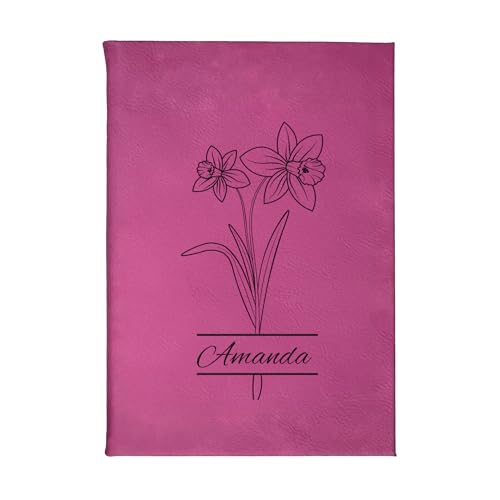
![wowlomo] Refillable Italian Leather Travelers Notebook, Handmade Personalized Leather Travel Journal Notebook Soft and Small, Perfect for Writing, Gifts, Travel, Life Planner](https://m.media-amazon.com/images/I/31YNF5Nxd7L._SL500_.jpg)


Is a Digital Bullet Journal (Tablet Apps) Better Than a Paper Bullet Journal for 2026 Lifestyles?
Ah, the eternal debate: analog vs. digital. It’s like asking whether coffee or tea is better—passionate advocates on both sides, and the truth is, it depends entirely on you.
Let’s break down this decision with brutal honesty about both options.
The Case for Paper Bullet Journals
Cognitive Benefits
Research consistently shows that handwriting improves memory retention and comprehension compared to typing. When you physically write goals and tasks, you’re more likely to remember and act on them. There’s something about the motor memory connection that digital just can’t replicate.
Fewer Distractions
Paper doesn’t have notifications. You can’t accidentally fall into a social media rabbit hole when planning your week. This focused, single-tasking environment is increasingly rare—and valuable—in our hyper-connected world.
Creativity and Flexibility
Paper allows complete creative freedom. Want to draw a weird diagonal layout? Go for it. Feel like adding a surprise sketch? Nothing stops you. Digital templates, while customizable, still constrain thinking within predetermined structures.
Digital Detox
For people drowning in screen time, paper journaling offers a refreshing break from blue light and digital overwhelm. It’s tactile, present, and grounding in ways that tapping on glass simply isn’t.
No Battery Anxiety
Your notebook will never die at 14% right when you need it most. It doesn’t require updates, subscriptions, or compatible operating systems. It just… works.
The Case for Digital Bullet Journals
Searchability
Need to find that brilliant idea from three months ago? Search for it instantly. Paper requires manual flipping and hoping you indexed correctly. For people managing massive amounts of information, digital searchability is game-changing.
Portability and Accessibility
One tablet replaces dozens of notebooks. Your entire journaling history syncs across devices. Access your bullet journal from your phone while waiting in line, then continue on your tablet at home. This seamless ecosystem can’t be matched by paper.
Flexibility Without Commitment
Made a mistake? Undo. Want to completely redesign a spread? Copy, paste, and modify. Digital allows experimentation without the permanence pressure that paralyzes many paper journalers.
Integration with Other Tools
Digital bullet journals can link to documents, embed images, sync with calendars, and integrate with other productivity tools. This interconnectedness creates a centralized productivity hub.
Environmental Considerations
For eco-conscious individuals, digital eliminates paper consumption. While tablets have their own environmental impact, one device replaces years of notebooks.
Popular Digital Bullet Journal Apps
GoodNotes (iPad)
The most popular choice, GoodNotes offers excellent handwriting recognition, infinite pages, and robust organization. The feel of writing with an Apple Pencil comes impressively close to paper.
Notability (iPad)
Great for students and professionals who need to annotate PDFs alongside journaling. Audio recording features make it perfect for lecture notes and meeting planning.
OneNote (Cross-platform)
Free, syncs everywhere, and infinitely flexible. Less aesthetic than dedicated journaling apps but incredibly functional for list-makers and minimalists.
Notion (Cross-platform)
Not specifically designed for bullet journaling but beloved for its database capabilities and template community. Perfect for people who want their journal to interact with other workflows.
The Hybrid Approach
Here’s a radical idea: use both. I know multiple people who maintain:
- Paper journal for morning pages, reflection, and creative planning
- Digital system for work tasks, project management, and searchable notes
This hybrid approach takes advantage of each medium’s strengths without forcing everything into one system.
Making Your Decision
Ask yourself these questions:
Choose paper if:
- You crave digital detox time
- You’re artistically inclined
- You learn better through handwriting
- You value the ritual of analog journaling
- You want simplicity without tech dependence
Choose digital if:
- You need powerful search capabilities
- You manage information across multiple devices
- You prefer editing flexibility
- You want integration with other digital tools
- You travel light and minimize belongings
Choose hybrid if:
- You want the best of both worlds
- Different aspects of your life need different tools
- You’re willing to maintain two systems
Insert image comparing paper vs digital bullet journaling here
The Uncomfortable Truth
Neither system will magically solve your organizational problems if you’re not actually using it. The best bullet journal—paper or digital—is the one you’ll open daily and engage with honestly.
I’ve seen gorgeous paper journals abandoned after two weeks and iPad pros gathering dust because maintaining a digital system felt like work. Conversely, I’ve seen people thrive with minimalist paper spreads and others whose digital systems are life-changing.
The medium matters less than your commitment to the practice. Start with what excites you, experiment freely, and give yourself permission to switch if your first choice isn’t working. Your productivity system should evolve with your needs, not lock you into a single approach forever.
For most people in 2026, I’d suggest starting with paper for a month. Why? Because paper forces you to understand the core bullet journaling principles without the distraction of app features and digital possibilities. Once you’ve internalized the system, you’ll know whether digital enhancements would serve you or complicate unnecessarily.
Bringing It All Together: Your Bullet Journaling Journey Starts Now
So here we are at the end, and honestly? This is where your real journey begins.
Bullet journaling isn’t about perfect spreads, elaborate trackers, or Instagram-worthy pages. It’s about creating a system that serves your life—a personalized tool that grows with you, adapts to your changing needs, and helps you show up as your most intentional self.
You now have everything you need: the foundational knowledge, practical setup instructions, creative ideas, problem-solving strategies, and permission to make it uniquely yours. Whether you’re grabbing that Lemome journal with the gorgeous thick paper or testing out GoodNotes on your iPad, you’re equipped to start.
Remember these core truths:
Start simple. Those four essential pages are enough. Everything else can wait until you discover what you actually need.
Embrace imperfection. Your messy, crossed-out, less-than-beautiful journal that you actually use beats a pristine, abandoned masterpiece every single time.
Make it work for you. If a popular spread or tracking method doesn’t serve your life, abandon it without guilt. Your journal, your rules.
Show up consistently. Even just five minutes daily builds momentum that transforms into life-changing habit patterns.
The bullet journal system has helped millions of people clarify goals, build better habits, and design more intentional lives. Not because it’s magical, but because it creates structured space for reflection, planning, and honest assessment of how we’re spending our time and energy.
Your future self—the one who’s more organized, more focused, and more in control—is just a first page away. That blank notebook isn’t intimidating; it’s possibility waiting to be shaped by your goals, dreams, and daily commitments.
So grab your notebook and pen. Write today’s date. Create a simple daily log with three tasks. That’s it. You’re officially bullet journaling.
The journey from overwhelmed to organized, from scattered to focused, from dreaming to doing—it all starts with that first simple page.
What are you waiting for? Your bullet journaling story begins today.
Affiliate Disclosure
This blog post contains affiliate links to products I genuinely use and recommend. If you make a purchase through these links, I may earn a small commission at no additional cost to you. These commissions help support this blog and allow me to continue creating helpful content. I only recommend products I’ve personally tested or thoroughly researched. Your support is greatly appreciated, and as always, the opinions expressed here are entirely my own.