
 Jennifer
 Let’s be honest — menopause can feel like your body suddenly decided to rewrite the rulebook without telling you. Hot flashes crashing your meetings, sleep that’s become a distant memory, and a waistline that seems to have a mind of its own. It’s a lot. But here’s some genuinely good news: the food on your plate — especially the grains you choose — can make a meaningful difference.
I know “eat more whole grains” sounds like something your doctor scribbles on a notepad and you ignore. But stick with me, because the science behind the best grains for menopause is actually pretty fascinating — and the practical changes are simpler than you think.
Why Grains Actually Matter During Menopause
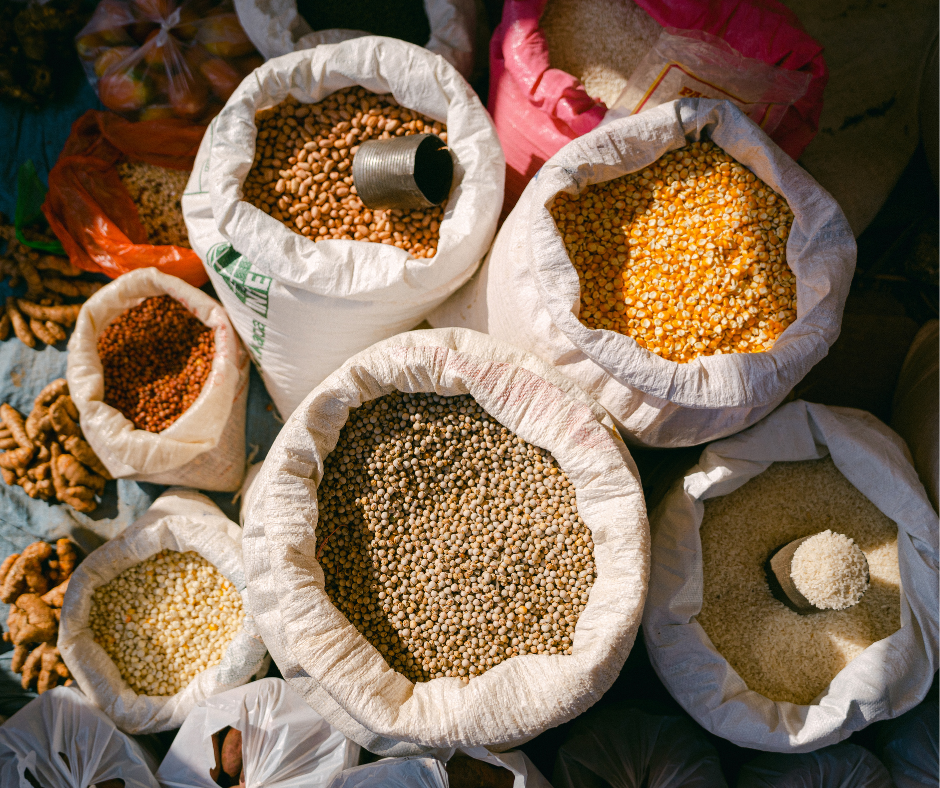
Whole grains are nutritional powerhouses packed with fiber, B vitamins, magnesium, and antioxidants. During menopause, when estrogen is doing its disappearing act, these nutrients become especially valuable. Research consistently links higher whole grain intake with:
- Reduced hot flash intensity and frequency
- Better blood sugar and insulin management
- Lower cardiovascular risk (heart disease risk rises significantly post-menopause)
- Improved gut health and hormone metabolism
- Support for bone density and weight management
In short? Whole grains are working hard for you behind the scenes.
The 10 Best Grains for Menopause — At a Glance
Here’s a quick reference table to show which grains do what — because not all grains are created equal:
| Grain | Key Benefit for Menopause | Best Used In |
| Oats | Beta-glucan fiber; lowers cholesterol & blood sugar | Porridge, overnight oats, baking |
| Quinoa | Complete protein; supports muscle mass | Grain bowls, salads, side dishes |
| Barley | Soluble fiber; heart & gut health | Soups, stews, grain salads |
| Brown Rice | Lower GI than white rice; steady energy | Stir-fries, bowls, sides |
| Buckwheat | Magnesium-rich; gluten-free; metabolic support | Pancakes, porridge, noodles |
| Millet | Copper & magnesium; gentle on digestion | Porridge, flatbreads, pilafs |
| Bulgur | Quick-cook; high fiber; low GI | Tabbouleh, salads, stuffing |
| Farro | Ancient grain; protein & fiber-rich | Grain bowls, soups |
| Rye | High fiber & polyphenols; satiety | Dense bread, crackers |
| Wild Rice Blend | Antioxidants + brown rice fiber | Pilafs, stuffed vegetables |
Deep Dive: The Star Players
🌾 Oats — The Hot Flash Helper
If you only add one grain to your routine, make it oats. They’re rich in beta-glucan, a soluble fiber clinically shown to lower LDL cholesterol and stabilize blood sugar. Diets high in whole grains like oats are associated with less intense vasomotor symptoms — that’s the clinical term for hot flashes and night sweats.
Go for organic steel-cut oats for maximum fiber and slow-release energy, or gluten-free rolled oats if you’re sensitive to gluten. Both are excellent.
🌱 Quinoa — The Muscle Maintainer
Here’s where quinoa shines: it’s a complete protein, containing all nine essential amino acids. During menopause, maintaining muscle mass becomes trickier (thanks, estrogen decline), so protein-rich grains are your friends. Quinoa is also naturally gluten-free and has a low glycemic index — a win on multiple fronts.
Try tricolour quinoa for a visual boost in grain bowls, or pre-rinsed white quinoa when you want speed and simplicity.
🫘 Barley — The Heart Health Hero
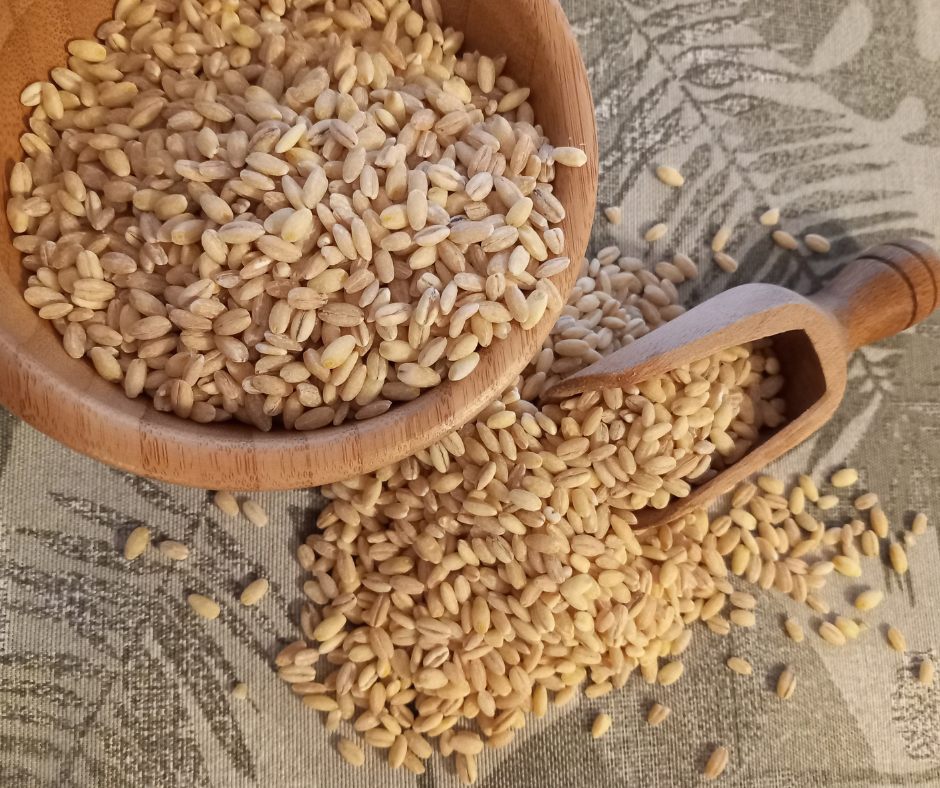
Barley doesn’t get the attention it deserves. It contains both soluble and insoluble fiber, supports cholesterol reduction, and is fantastic for gut microbiome health — which, fascinatingly, influences how your body metabolizes estrogen. Add pearled or hulled barley to soups and stews for a hearty, satisfying base.
Oats vs. Quinoa for Menopause Weight Management
People always want to know: which one wins? Honestly, they’re both excellent — and the answer is
Both win. Oats excel for cholesterol-lowering beta-glucan and long-lasting satiety. Quinoa pulls ahead for protein content and muscle support. For the best results, rotate both regularly — variety is genuinely the key to covering all your nutritional bases.
Best Gluten-Free Grains for Menopause
If you have celiac disease or gluten sensitivity, you’re not missing out. Here are the top gluten-free whole grains to embrace:
- Quinoa — protein powerhouse
- Buckwheat — despite the name, completely wheat-free; rich in magnesium
- Millet — gentle on digestion, rich in copper
- Brown and wild rice — versatile, widely available
- Certified gluten-free oats — if tolerated
- Amaranth — lesser-known but protein-rich and calcium-containing
Note: Gluten-free grains aren’t automatically ‘better’ for everyone — whole wheat, rye, and barley are excellent if you tolerate gluten. The key word is always whole.
How Many Whole Grains Per Day During Menopause?
Most nutrition guidelines recommend at least 3 servings of whole grains daily. Here’s what a serving looks like:
- ½ cup cooked oats, quinoa, brown rice, or barley
- 1 slice of whole-grain or sprouted bread
- ½ cup cooked whole-wheat pasta
- 3–5 whole-grain crackers
Within a Mediterranean-style eating pattern — think lots of vegetables, legumes, healthy fats, and lean protein — three or more servings supports heart health, bone density, hormonal balance, and weight management. That’s a lot of returns on a fairly small investment.
Low Glycemic Grain Breakfasts for Hot Flashes
Blood sugar spikes can actually
trigger or worsen hot flashes in some women. A low glycemic breakfast using whole grains helps keep blood sugar steady — which can mean fewer and less intense vasomotor episodes.
Here are some practical ideas:
- Steel-cut oats with cinnamon, walnuts, and berries
- Quinoa porridge with almond milk and chia seeds
- Multigrain hot cereal blend (oats, barley, rye, flax) with a soft-boiled egg on the side
- Whole-grain toast with avocado and pumpkin seeds
The magic combo? Fiber + protein + healthy fat at breakfast = stable blood sugar all morning.
Best Grains for Menopausal Bone Density
Post-menopause, bone density loss accelerates. While calcium and vitamin D get most of the attention, research shows that higher fiber and whole grain intake is associated with improved bone mineral density. Grains like quinoa (magnesium), buckwheat (magnesium), and millet (copper) contribute trace minerals that support bone metabolism.
Of course, no grain works in isolation — pair them with adequate calcium, vitamin D, and some resistance exercise for the full picture.
Grains, Gut Health & Hormonal Balance
Here’s something genuinely fascinating: your gut microbiome influences how your body processes estrogen. Fiber-rich whole grains feed beneficial gut bacteria, support regular digestion, and aid in estrogen metabolism. When your gut isn’t functioning well, estrogen can be reabsorbed rather than eliminated — potentially affecting symptom burden.
Whole grains also help excrete excess cholesterol — another reason they’re linked with heart health as hormonal protection drops post-menopause.
Grains to Limit During Menopause
It’s not just about what to add — it’s also about what to minimize. Refined grains are the ones to watch:
- White bread and regular white pasta
- Most packaged pastries, biscuits, and crackers
- Sugary breakfast cereals
- Instant white rice
These spike blood sugar more sharply, deliver less fiber, and provide fewer micronutrients. They won’t ruin your health if you enjoy them occasionally, but they shouldn’t be the foundation of your daily eating pattern — especially during menopause when insulin sensitivity can shift.
How to Add More Grains Without the Bloat
Increasing fiber suddenly can cause digestive discomfort. Here’s how to do it gently:
- Start with easier-to-digest options: oats, white-to-brown rice transition, quinoa
- Increase portions slowly over 2–3 weeks
- Use well-cooked, softer grains rather than very chewy varieties at first
- Drink plenty of water — fiber needs fluid to do its job
- Pair grains with cooked vegetables rather than raw for easier digestion initially
Top Grain Products Worth Trying
If you’re ready to stock your pantry, here are some standout options to look for:
- Organic steel-cut oats — rich in beta-glucan for cholesterol and long-lasting satiety
- Gluten-free rolled oats — ideal if you’re gluten-sensitive
- Tricolour or pre-rinsed quinoa — for easy grain bowls and salads
- Hulled or pearled barley — perfect for hearty soups
- Farro or bulgur wheat — quick-cook options for Mediterranean-style meals
- Brown basmati rice or wild/brown rice blend — lower GI dinner bases
- Buckwheat groats — gluten-free, magnesium-rich, and versatile
- Whole-grain rye bread or sprouted grain bread — higher-fiber bread swaps
- Quinoa & brown rice microwave pouches — for busy days
- Low-sugar whole-grain granola — as a yogurt topper for a balanced, high-satiety snack
You can find these through online retailers like Amazon or your local health food store or supermarket whole foods section.
Menopause is a significant life transition, and your body deserves fuel that works with it rather than against it. The best grains for menopause — oats, quinoa, barley, buckwheat, brown rice, millet, and their whole-grain cousins — offer a remarkable combination of fiber, minerals, and blood-sugar support that can help ease symptoms, protect your heart, support your bones, and keep your weight more manageable.
The goal isn’t perfection — it’s consistent, small upgrades. Swap white rice for brown once this week. Try overnight oats on Monday. Add barley to your next soup. Small changes, stacked over time, genuinely add up.
Your menopause, your body, your rules — but let those whole grains work their magic for you.
If you found this helpful, share it with a friend who might be navigating the same journey, or drop your favourite grain recipe in the comments below. I’d love to hear how you’re incorporating these into your meals!
Affiliate Disclosure
This post contains affiliate links. If you purchase a product through one of these links, I may earn a small commission at no extra cost to you. I only recommend products I genuinely believe can be beneficial, and all opinions expressed are my own. Thank you for supporting this site — it helps me continue creating free, research-backed content for women navigating menopause.