 Jennifer
 Let me tell you something I wish someone had told me years ago: fat is not your enemy during menopause—it’s your ally.
I know, I know. After decades of being told that fat makes you fat, hearing this feels revolutionary. But here’s the truth: the right fats can actually help you lose menopause belly fat, balance your hormones, sleep better, think clearer, and even reduce those frustrating hot flashes.
The wrong fats? Well, they’ll sabotage your efforts faster than you can say “night sweats.”
So if you’re navigating perimenopause or menopause and feeling confused about what to eat, you’re in the right place. We’re about to dive deep into healthy fats for menopause—what they are, why they matter, and exactly how to use them to feel like yourself again. I am going to be integrating this into my one small change a week plan.
How Do Healthy Fats Support Hormone Balance During Menopause?
Here’s something fascinating: your hormones are literally made from fat.
Seriously. Cholesterol (yes, that cholesterol) is the building block for estrogen, progesterone, and all your other steroid hormones. When you don’t eat enough healthy fats, your body struggles to produce and balance these crucial hormones.
During menopause and perimenopause, when your estrogen levels are already doing the hormonal equivalent of a rollercoaster ride, adequate fat intake becomes even more critical.
Here’s what healthy fats do for your hormones:
- Support hormone production: Provide the raw materials your body needs to make estrogen, progesterone, and other hormones
- Reduce inflammation: Lower inflammatory markers that can worsen menopause symptoms
- Improve cell membrane health: Help your cells respond better to hormonal signals
- Balance blood sugar: Stabilize insulin, which directly affects estrogen metabolism
- Support your adrenal glands: These little powerhouses take over some hormone production after menopause
Think of healthy fats as the oil in your hormonal engine. Without enough quality oil, things start grinding, squeaking, and eventually breaking down.
What Are the Best Sources of Healthy Fats for Women in Perimenopause and Menopause?
Let’s get practical. Not all fats are created equal, and during menopause, you want to focus on the MVPs—the fats that work hardest for your health.
The Top Tier: Omega-3 Rich Foods
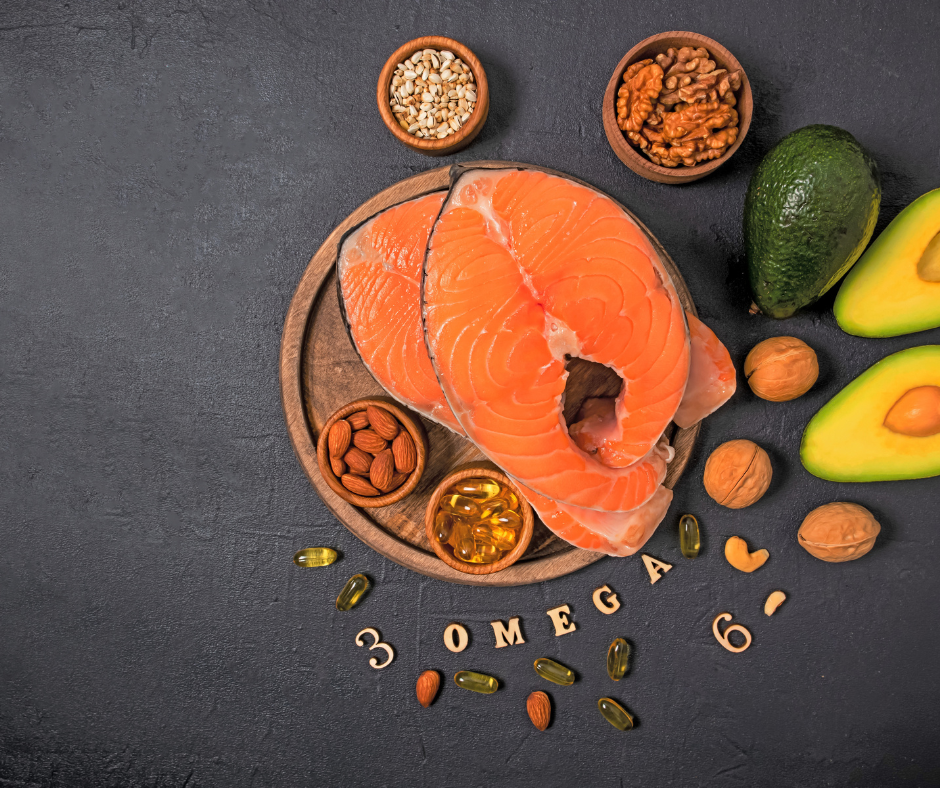
Fatty Fish (Salmon, sardines, mackerel, herring)
- Why they’re amazing: Loaded with EPA and DHA omega-3s that fight inflammation, support mood, and may even help with hot flashes
- How much: Aim for 2-3 servings per week
- Pro tip: Canned sardines and wild-caught frozen salmon are budget-friendly options
Flaxseeds (ground, not whole)
- Why they’re amazing: Contain ALA omega-3s plus lignans (plant compounds that act like gentle estrogen)
- How much: 1-2 tablespoons daily
- Pro tip: Grind them fresh or store ground flax in the freezer—whole seeds pass through undigested
Chia Seeds
- Why they’re amazing: Omega-3s, fiber, and minerals that support bone health and digestion
- How much: 1-2 tablespoons daily
- Pro tip: Add to smoothies, yogurt, or make chia pudding for a satisfying snack
Walnuts
- Why they’re amazing: The only nut with significant omega-3 content
- How much: A small handful (about 7 whole walnuts) daily
- Pro tip: Throw them on salads or eat as a menopause snack with healthy fats for sustained energy
The Everyday Heroes: Monounsaturated Fats
Extra-Virgin Olive Oil
- Why it’s amazing: The cornerstone of the Mediterranean diet, linked to better heart health, reduced inflammation, and improved brain function
- How much: 2-3 tablespoons daily
- Pro tip: Choose high-polyphenol varieties (usually peppery or bitter) for maximum benefits
Avocados
- Why they’re amazing: Packed with monounsaturated fats, fiber, potassium, and vitamin E—all beneficial for menopause
- How much: Half to one whole avocado daily
- Pro tip: Avocado benefits for menopause include better skin, hormone balance, and satiety
Avocado Oil
- Why it’s amazing: High smoke point makes it perfect for cooking
- How much: Use as needed for cooking
- Pro tip: Great for roasting vegetables or high-heat sautéing
The Power Players: Nuts and Seeds
Almonds, cashews, pecans, pumpkin seeds, sunflower seeds
- Why they’re amazing: Provide healthy fats, protein, minerals like magnesium (crucial for sleep and mood), and vitamin E
- How much: A small handful daily
- Pro tip: The best nuts and seeds for menopause are raw or dry-roasted without added oils
[Insert comparison table here]
| Food Source | Type of Fat | Key Benefits for Menopause | Daily Serving |
|---|---|---|---|
| Salmon | Omega-3 (EPA/DHA) | Mood, inflammation, hot flashes | 3-4 oz, 2-3x/week |
| Ground Flaxseed | Omega-3 (ALA), lignans | Hormone balance, hot flashes | 1-2 tablespoons |
| Chia Seeds | Omega-3 (ALA), fiber | Digestion, bone health | 1-2 tablespoons |
| Walnuts | Omega-3 (ALA) | Brain health, heart health | 7 whole walnuts |
| Olive Oil | Monounsaturated | Heart, brain, anti-inflammatory | 2-3 tablespoons |
| Avocado | Monounsaturated, fiber | Satiety, hormone production | ½-1 whole |
| Mixed Nuts/Seeds | Varied | Energy, minerals, vitamin E | Small handful |
Can Eating More Healthy Fats Help Reduce Menopause Belly Fat?
This is the million-dollar question, isn’t it? And the answer might surprise you: yes, but not in the way you think.
Here’s the deal: healthy fats don’t magically melt belly fat. But they do several things that make losing menopause belly fat much easier:
1. They Keep You Full Longer
Fat digests slowly, which means you feel satisfied for hours. Less hunger = fewer snack attacks = easier calorie control. This is critical because menopause weight loss with healthy fats often comes down to feeling satisfied, not starved.
2. They Stabilize Blood Sugar
When you pair fats with carbs, you prevent blood sugar spikes and crashes. Stable blood sugar means stable insulin, and stable insulin means your body isn’t constantly storing fat around your middle.
3. They Support Metabolism
Your body needs fat to absorb fat-soluble vitamins (A, D, E, K) that support thyroid function and metabolism. A sluggish metabolism = stubborn weight.
4. They Reduce Inflammation
Chronic inflammation is linked to belly fat accumulation. Omega-3 fats are potent anti-inflammatory agents.
The Strategy That Works:
Replace refined carbs and processed foods with meals built around protein, healthy fats, and fiber-rich vegetables. For example:
Instead of: Toast with jam (high carb, low fat)
Try: Avocado toast with smoked salmon and seeds (balanced with healthy fats)
Instead of: Low-fat yogurt with granola
Try: Full-fat Greek yogurt with walnuts and berries
The menopause belly fat foods to eat include these healthy fats paired with quality protein and plenty of vegetables.
Which Fats Should I Avoid During Menopause?
Just as important as knowing what to eat is knowing what to skip. Some fats will actively work against your health during menopause.
The Absolute No-Gos:
Trans Fats (partially hydrogenated oils)
- Found in: Many packaged baked goods, margarine, fried fast foods
- Why avoid: Increase inflammation, raise LDL cholesterol, increase heart disease risk
- Reality check: Trans fats are essentially banned in many places, but check labels for “partially hydrogenated oil”
Highly Refined Seed Oils (in excess)
- Examples: Corn oil, soybean oil, cottonseed oil, safflower oil (not high-oleic versions)
- Found in: Most processed foods, salad dressings, snack foods
- Why limit: High in omega-6 fatty acids that can promote inflammation when out of balance with omega-3s
- Nuance: You don’t need to obsess about every trace, but these shouldn’t be your main fat sources
Excessive Saturated Fats (from processed sources)
- Examples: Processed meats, commercial baked goods, fast food
- Why limit: Can worsen heart disease risk, which already increases after menopause
- Important note: Some saturated fat from whole foods (like full-fat yogurt or eggs) is fine in moderation
The Fats to Approach with Caution:
Coconut Oil
- The truth: It’s not a superfood, but it’s not poison either
- The science: High in saturated fat, so use sparingly if you have heart disease concerns
- Best use: Small amounts for cooking when you want that flavor
Think of these fats to avoid during menopause as the foods that create more problems than they solve—more inflammation, more weight gain, more health risks.
How Much Fat Per Day Should a Menopausal Woman Eat?
Let’s talk numbers, because “eat more healthy fats” is pretty vague advice.
The General Guidelines:
For most women in menopause, fat should make up 25-35% of your total daily calories.
Here’s what that looks like in real terms:
- 1,500 calories/day: 42-58 grams of fat
- 1,800 calories/day: 50-70 grams of fat
- 2,000 calories/day: 56-78 grams of fat
Breaking Down Your Fat Intake:
Aim for this balance:
- Omega-3 fats: 1-2 grams EPA/DHA daily (from fish or supplements)
- Monounsaturated fats: The bulk of your fat intake (olive oil, avocados, nuts)
- Saturated fats: Less than 10% of total calories (about 15-20 grams)
- Omega-6 fats: Present in most foods, but don’t add extra refined oils
What This Looks Like on Your Plate:
Breakfast: 2 eggs cooked in olive oil + avocado (≈20g fat)
Lunch: Salad with salmon, mixed greens, olive oil dressing, seeds (≈25g fat)
Snack: Small handful of almonds (≈14g fat)
Dinner: Grilled chicken with roasted vegetables in avocado oil (≈15g fat)
Total: Approximately 74g fat (right in the sweet spot for 2,000 calories)
Pro tip: Don’t get obsessive about counting. Focus on including healthy fats at every meal and listening to your hunger and fullness cues.
Do Omega-3 Supplements Really Help with Hot Flashes, Mood and Joint Pain?
This is where things get interesting. The research on omega-3 supplements for menopause symptoms is… mixed. But there’s enough evidence to make them worth considering.
The Evidence for Omega-3s:
Hot Flashes: Studies show modest benefits. Some women report fewer or less intense hot flashes, but results vary significantly. It’s not a miracle cure, but it might help take the edge off.
Mood: This is where omega-3s really shine. Strong evidence shows EPA-rich fish oil can help with:
- Menopause brain fog and omega-3 supplementation show promising connections
- Depression and anxiety
- Mood swings
- Overall mental well-being
Joint Pain: Menopause joint pain and omega-3 intake are closely linked. EPA and DHA reduce inflammation in joints, and many women report significant relief after several weeks of consistent supplementation.
Top Omega-3 Supplement Options:
For Comprehensive Support:
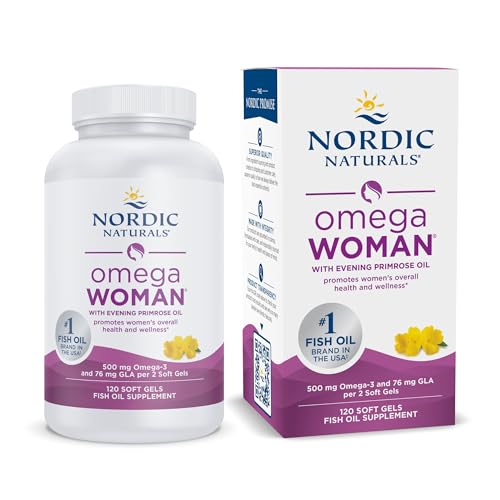
- Nordic Naturals Omega Woman with Evening Primrose Oil: Combines EPA/DHA with GLA (from evening primrose) for hormone and mood support—a smart two-in-one approach
For High Potency:
- Nordic Naturals Ultimate Omega: High-purity, high-dose EPA/DHA for heart, brain, joint, and mood support
- Recommended dosage: Look for 1,000-2,000mg EPA/DHA combined daily
For Vegans:
Important Tips:
- Give it time—omega-3s need 4-8 weeks to build up in your system
- Take with food to improve absorption and reduce fishy burps
- Choose supplements with third-party testing for purity (heavy metals, PCBs)
- Talk to your doctor if you’re on blood thinners
Is Flaxseed or Flaxseed Oil Effective for Menopause Symptoms?
Flaxseed has a special place in the menopause toolkit, and here’s why: lignans.
The Flaxseed Difference:
Flaxseed contains plant compounds called lignans that have mild estrogenic effects. They’re like estrogen-lite—gentle enough to help when levels are low, but won’t overwhelm your system.
What the Research Shows:
Flaxseed oil for menopause symptoms:
- Small studies suggest benefits for hot flashes and night sweats
- May improve overall menopause symptom scores
- Provides ALA omega-3s for heart and brain health
- Supports hormonal balance
The catch: Most of the benefits come from ground flaxseed (which contains lignans and fiber), not just flaxseed oil (which is pure fat without the lignans).
How to Use Flaxseed:
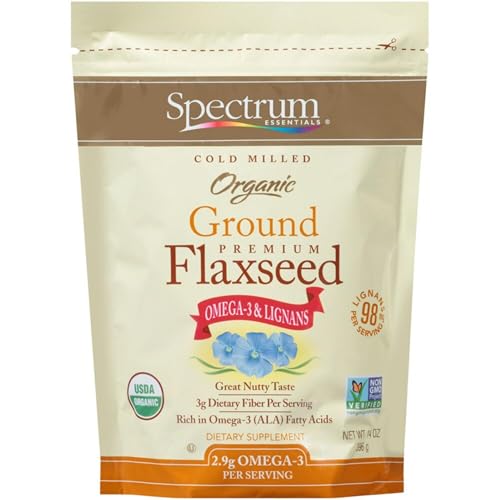
Ground Flaxseed:
- Dosage: 1-2 tablespoons daily
- Method: Add to smoothies, oatmeal, yogurt, or baked goods
- Storage: Keep in the freezer to prevent oxidation

Cold-Pressed Flaxseed Oil:
- Dosage: 1-2 tablespoons daily
- Method: Use in salad dressings or drizzle on cooked foods (never heat)
- Storage: Refrigerate and use within a few weeks of opening

Pro tip: I like to think of flaxseed as a gentle, food-based approach to hormone support. It won’t replace HRT if you need it, but it’s a great complementary strategy.
What Is Evening Primrose Oil and Does It Work for Menopause?
Evening primrose oil (EPO) is one of those supplements that has a huge fan base among women in menopause, even though the scientific evidence is… complicated.
What Is It?
EPO is extracted from the seeds of the evening primrose plant and is rich in gamma-linolenic acid (GLA), a specific omega-6 fatty acid with anti-inflammatory properties.
What Women Use It For:
- Hot flushes and night sweats
- Breast pain and tenderness
- Mood swings
- Skin dryness
- Joint discomfort
What the Science Says:
The research on evening primrose oil for menopause symptoms is mixed:
- Some small studies show benefits for hot flashes
- Evidence for breast pain is more promising
- Many women report subjective improvements even when studies don’t show statistical significance
- It may work better for some women than others (like most menopause interventions)
How to Use Evening Primrose Oil:
Standalone EPO:
- Dosage: 500-1,000mg GLA daily (check the label—not all EPO is standardized)
- Timing: Split doses morning and evening with food
- Timeline: Give it at least 6-8 weeks
Combination Products:
- Nordic Naturals Omega Woman: Combines omega-3s with evening primrose oil in one softgel—a convenient option if you want both
Alternative GLA Source:
- Borage Oil: Contains even more GLA than evening primrose; some women prefer it for joint pain and inflammation
My Take:
EPO is worth trying if you’re dealing with breast tenderness or you want a natural approach to hot flashes. The side effects are minimal (some people get mild digestive upset), and the potential benefits make it a reasonable experiment. Just manage your expectations—it’s not a magic bullet.
Are MCT Oil or Coconut Oil Good Choices During Menopause?
This is a hot topic (pun intended), and I’m going to give you the nuanced answer you deserve.
MCT Oil (Medium-Chain Triglycerides):
What it is: Extracted fat from coconut or palm oil, composed of medium-chain fatty acids that are absorbed and used differently than other fats.
Potential benefits for menopause:
- Quick energy: MCTs are rapidly converted to energy, which might help with the fatigue many women experience
- Appetite control: Some studies suggest MCTs increase satiety
- Metabolic support: May slightly increase calorie burning
- Brain function: Emerging interest in MCTs for mental clarity and menopause brain fog
How to use it:
- Start small (1 teaspoon) and work up to 1-2 tablespoons daily
- Add to coffee, smoothies, or salad dressings
- Don’t heat to extremely high temperatures
The reality: MCT oil is not a miracle weight-loss solution, but it can be a useful tool in your menopause toolkit, especially if you struggle with energy or brain fog.
Coconut Oil:
The controversy: Coconut oil was touted as a superfood, then villainized, and now sits somewhere in between.
The facts:
- High in saturated fat (about 90%)
- Contains some MCTs, but not as concentrated as MCT oil
- Not ideal as your primary cooking fat if heart health is a concern
- Fine in moderation as part of a varied diet
Best use during menopause:
- Small amounts for flavor in cooking (1-2 teaspoons)
- Part of a whole-foods diet, not a primary fat source
- If you love it, use it, but prioritize olive oil, avocado oil, and fish
Bottom line: Neither MCT nor coconut oil are essentials, but they can have a place in your menopause fat strategy. Just don’t let them crowd out the proven heavy hitters like omega-3s and olive oil.
What Is the Best Type of Diet for Menopause and How Do Healthy Fats Fit In?
If you’re looking for a one-size-fits-all answer, I’m going to disappoint you. But I will give you the evidence-based patterns that work best for most women.
The Mediterranean Diet: The Gold Standard
This isn’t just my opinion—research consistently shows the Mediterranean diet is one of the best approaches for menopause. Here’s why:
Core principles:
- Abundant healthy fats (olive oil, nuts, fish)
- Plenty of vegetables and fruits
- Whole grains and legumes
- Moderate fish and poultry
- Minimal red meat and processed foods
Benefits for menopause:
- Reduced heart disease risk (critical as estrogen declines)
- Better weight management
- Improved insulin sensitivity
- Lower inflammation
- Better bone health
- Cognitive protection
Healthy fats are the foundation: In this approach, fat isn’t restricted—it’s celebrated. You’re using olive oil liberally, eating fatty fish twice a week, snacking on nuts, and enjoying whole-food fats at every meal.
Other Effective Approaches:
Low-Carb/Higher-Fat
- Can work well for women with insulin resistance or significant weight to lose
- Emphasizes healthy fats, protein, and non-starchy vegetables
- May help reduce menopause belly fat more quickly in some women
- Not necessarily long-term sustainable for everyone
High-Protein, Moderate-Fat
- Focuses on protein at every meal with moderate healthy fats
- Excellent for preserving muscle mass during menopause
- Can help with satiety and weight management
- Generally includes 25-30% calories from fat
The Common Thread:
Notice what all successful menopause diets have in common?
- Emphasis on whole, unprocessed foods
- Plenty of healthy fats (not low-fat!)
- Adequate protein
- Lots of vegetables
- Minimal refined carbs and sugars
My recommendation: Start with Mediterranean-style eating as your foundation. It’s flexible, delicious, sustainable, and has the most research backing it up. Adjust from there based on your individual response.
Can Healthy Fats Improve Menopause Brain Fog, Mood and Sleep Quality?
Short answer: Yes, absolutely.
Let me explain why your brain is practically begging for healthy fats right now.
Brain Fog and Cognitive Function:
Your brain is about 60% fat. When estrogen drops during menopause, it affects how your brain uses energy and maintains its structure. This is where healthy fats swoop in to save the day.
How fats help menopause brain fog:
- Omega-3s (especially DHA): Essential for brain cell structure and communication
- Support for neurotransmitters: Fat helps produce and transport mood-regulating chemicals
- Improved insulin sensitivity: Better blood sugar control means more stable energy for your brain
- Reduced inflammation: Chronic inflammation impairs cognitive function
Research shows: Women with higher omega-3 intake have better memory, processing speed, and overall cognitive function during menopause.
Mood Support:
The connection between omega-3 fats and mood is one of the most robust findings in nutritional psychiatry.
What healthy fats do for mood:
- Support production of serotonin and dopamine
- Reduce brain inflammation linked to depression
- Stabilize cell membrane function in mood-regulating brain regions
- May work as well as some antidepressants for mild to moderate depression
The winning combination: Omega-3s from fatty fish (or supplements) + GLA from evening primrose or borage oil = powerful mood support
Sleep Quality:
This one might surprise you, but healthy fats can indirectly improve sleep in several ways:
The sleep connection:
- Stable blood sugar: Adding fat to your evening meal or snack prevents middle-of-the-night blood sugar drops that wake you up
- Magnesium absorption: Fat helps you absorb magnesium from nuts and seeds—crucial for sleep
- Reduced inflammation: Less inflammation means less pain disrupting sleep
- Hormone support: Better hormone production overall supports better sleep regulation
Practical sleep tip: Have a small evening snack with protein and healthy fat (like a few walnuts with Greek yogurt) to stabilize blood sugar through the night.
How Can I Add More Healthy Fats to My Meals Without Overeating Calories?
This is such an important question because fat is calorie-dense—9 calories per gram compared to 4 for protein or carbs. But here’s the secret: you’re not adding fat on top of everything; you’re replacing less healthy foods with better choices.
Smart Swaps for Every Meal:
Breakfast:
- ❌ Low-fat yogurt with granola (low fat, high sugar)
- ✅ Full-fat Greek yogurt with ground flaxseed and berries (satisfying, balanced)
- ❌ Bagel with low-fat cream cheese
- ✅ Avocado toast on whole grain bread with hemp seeds
Lunch:
- ❌ Chicken breast with fat-free dressing on salad
- ✅ Salmon salad with olive oil-based dressing and pumpkin seeds
- ❌ Wrap with deli meat and low-fat mayo
- ✅ Wrap with hummus, avocado, and tahini
Dinner:
- ❌ Grilled chicken, plain rice, steamed veggies
- ✅ Grilled chicken, quinoa with olive oil, roasted vegetables
Snacks:
- ❌ Pretzels or rice cakes (empty calories)
- ✅ Menopause snacks with healthy fats: apple with almond butter, veggies with guacamole, or a small handful of nuts
The Portion Guide:
Because fat is calorie-dense, portions matter:
Use your thumb as a guide:
- Oils and nut butters: One thumb = 1 tablespoon (≈120 calories)
- Nuts and seeds: One thumb-sized portion = 1 ounce (≈160-180 calories)
- Avocado: Half = one portion (≈120 calories)
- Fatty fish: Palm-sized portion = 3-4 ounces
Meal-Building Strategy:
Think of each meal as having three components:
- Protein (palm-sized serving)
- Healthy fat (thumb-sized serving)
- Vegetables and/or whole grains (fill the rest of your plate)
This naturally controls portions while ensuring satisfaction.
Menopause Snacks with Healthy Fats:
Keep these on hand for stable energy between meals:
- Small handful of mixed nuts (pre-portioned in small containers)
- Chia pudding made with coconut milk
- Veggies with guacamole or olive tapenade
- Hard-boiled eggs with Everything bagel seasoning
- Olives and a small piece of cheese
- Energy balls made with dates, nuts, and seeds
Product Recommendations: Your Healthy Fats Toolkit
Let me share some quality products that can make adding healthy fats to your menopause routine easier. These are based on the research and product information I’ve reviewed.
Omega-3 Supplements:
Nordic Naturals Omega Woman with Evening Primrose Oil
- Why it’s great: Combines EPA/DHA omega-3s with GLA in one softgel—perfect for comprehensive hormone, mood, and skin support
- Best for: Women wanting an all-in-one omega solution
Nordic Naturals Ultimate Omega
- Why it’s great: High-purity, high-potency omega-3 for heart, brain, joint, and mood support
- Best for: Women prioritizing cardiovascular and cognitive health
Algae-Based Omega-3 (Vegetology Opti3, Performance Lab Omega-3)
- Why it’s great: Vegan DHA/EPA without fish
- Best for: Plant-based women or those with fish sensitivity
Whole Food Options:
Ground Flaxseed or Cold-Pressed Flaxseed Oil
- Why it’s great: Plant omega-3s plus lignans for hormonal balance and hot flash support
- Best for: Daily hormone support; add to smoothies or salad dressings
High-Quality Extra-Virgin Olive Oil
- Why it’s great: High-polyphenol varieties offer maximum anti-inflammatory benefits
- Best for: Everyday cooking and dressings—the foundation of Mediterranean eating
- Why it’s great: Omega-3s, fiber, calcium, and magnesium in one tiny seed
- Best for: Adding to yogurt, smoothies, or making chia pudding
Wild-Caught Salmon, Sardines, Mackerel (fresh, frozen, or canned)
- Why it’s great: Whole-food omega-3s plus protein and vitamin D
- Best for: Weekly fish servings; canned options are budget-friendly
Specialty Fats:
Evening Primrose Oil or Borage Oil Softgels
- Why it’s great: GLA for hot flashes, breast tenderness, mood, and joint support
- Best for: Women specifically dealing with breast pain or wanting natural hot flash support
MCT Oil
- Why it’s great: Quick energy, appetite control, potential cognitive benefits
- Best for: Coffee, smoothies, or salad dressings for an energy boost
Convenient Options:
Menopause Snack Packs with Nuts and Seeds
- Why they’re great: Pre-portioned for blood sugar stability and satiety
- Best for: Busy women who need grab-and-go options
Mediterranean-Style Meal Kits or Cookbooks

- Why they’re great: Takes the guesswork out of applying healthy fats in everyday cooking
- Best for: Women new to Mediterranean eating who want recipes and structure
Your Action Plan: Getting Started with Healthy Fats
Feeling overwhelmed? Don’t be. You don’t need to overhaul everything overnight. Here’s your simple, step-by-step approach:
Week 1: Make Simple Swaps
- Replace refined seed oil with extra-virgin olive oil
- Add ground flaxseed to your morning smoothie or yogurt
- Snack on a handful of nuts instead of crackers or chips
Week 2: Add Omega-3s
- Plan for 2 servings of fatty fish this week
- Consider starting an omega-3 supplement if fish isn’t your thing
- Add chia seeds to one meal or snack daily
Week 3: Build Balanced Meals
- Include a serving of healthy fat at every meal
- Try avocado at breakfast, olive oil at lunch, nuts or seeds at dinner
- Focus on satiety—notice how fat helps you feel fuller longer
Week 4: Fine-Tune and Personalize
- Notice which fats make you feel best
- Adjust portions based on your hunger and energy
- Consider adding evening primrose or borage oil if hot flashes or breast tenderness are issues
Track Your Symptoms:
Keep a simple journal noting:
- Energy levels
- Mood and mental clarity
- Hot flash frequency and intensity
- Sleep quality
- Joint pain
- Weight and measurements
After 4-6 weeks of consistently including healthy fats, you should start noticing improvements. Remember, this is about progress, not perfection.
Final Thoughts: Fat Is Your Friend
Here’s what I want you to remember: during menopause, your body isn’t broken—it’s changing. And it needs different fuel than it did before.
Healthy fats for menopause aren’t just about weight loss or symptom management. They’re about giving your body the raw materials it needs to:
- Make hormones
- Protect your heart
- Keep your brain sharp
- Maintain healthy skin
- Support your joints
- Feel satisfied and energized
The low-fat advice of the ’90s? It’s outdated. The science is clear: the right fats are essential for thriving during menopause and beyond.
Start small. Be consistent. Give it time. And listen to your body.
You’ve got this. 💪
Have you noticed improvements from adding more healthy fats to your diet? What’s your favorite way to include them in your meals? Drop a comment below—I’d love to hear what’s working for you!
And if you found this helpful, share it with a friend who’s navigating menopause. We’re all in this together.
Affiliate Disclosure
This post contains affiliate links and product recommendations. If you click through and make a purchase, I may earn a small commission at no additional cost to you. I only recommend products I’ve researched or that have strong evidence supporting their use for menopause symptom management. Your support helps me create more free, science-backed content like this. Thank you!