 Jennifer
 Let me ask you something: how many times have you stood in the baking aisle, staring at packages labeled “natural,” “organic,” or “unrefined,” feeling more confused than enlightened? I’ve been there—and if you’re navigating menopause while trying to kick refined sugar to the curb, the confusion multiplies tenfold.
Here’s the thing: refined sugar isn’t just your waistline’s nemesis. During menopause, it can exacerbate hot flashes, mess with your already-rebellious hormones, and turn your energy levels into a roller coaster you never bought a ticket for. But going refined-sugar-free doesn’t mean resigning yourself to bland coffee and cardboard-tasting cookies.
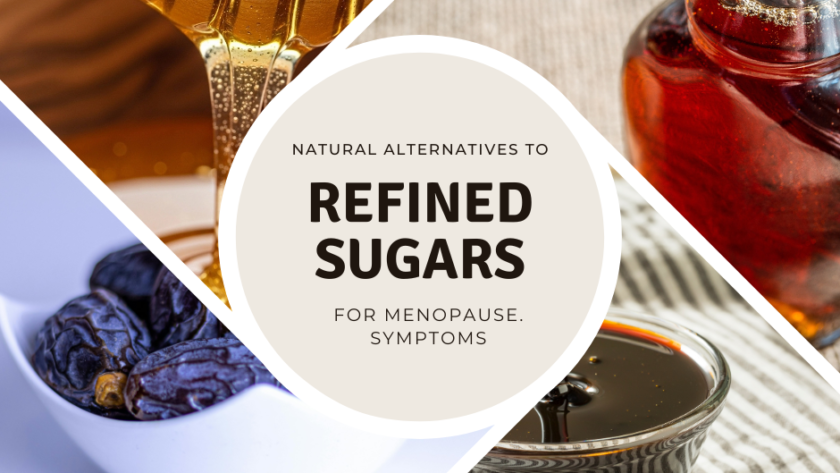
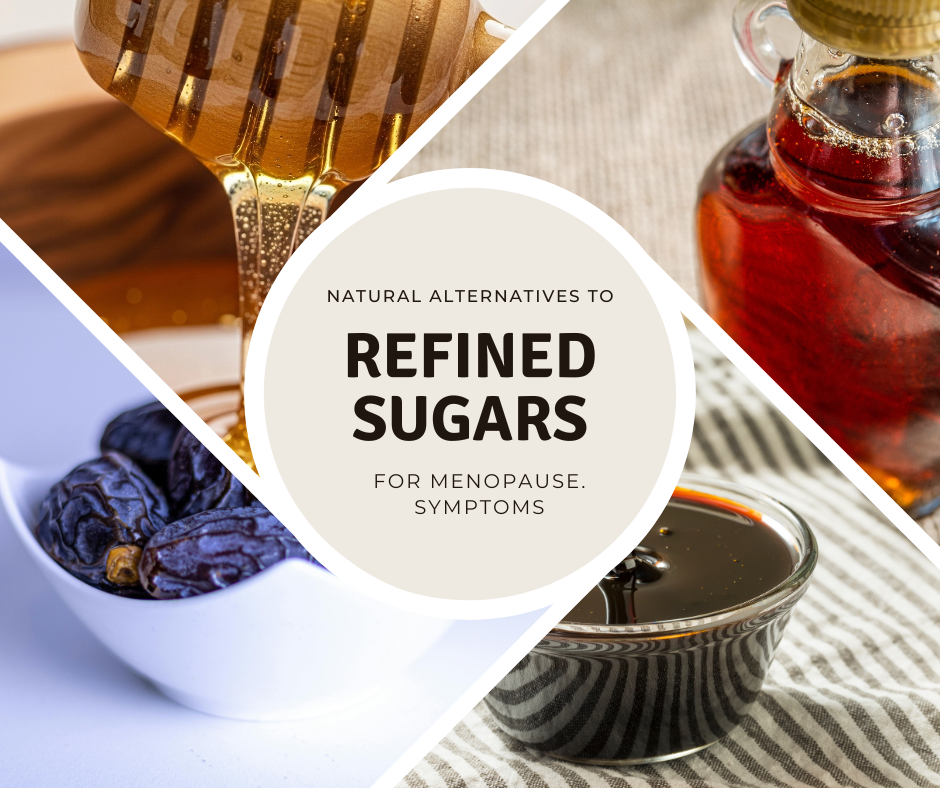
In this guide, I’m walking you through the actually natural alternatives to refined sugar—the ones that come straight from plants and nature, not laboratories. These options can help you manage blood sugar, support your weight loss goals, and keep you feeling satisfied without the chemical aftertaste.
Think of this as your cheat sheet to sweet freedom, au naturel.
What Are the Healthiest Natural Alternatives to Refined Sugar?
Not all natural sweeteners are created equal. The healthiest options balance sweetness with nutritional benefits, offering vitamins, minerals, and antioxidants that refined white sugar simply can’t match.
Here are my top picks from Mother Nature’s pantry:
1. Stevia – The Zero-Calorie Plant Powerhouse
Extracted from the leaves of the Stevia rebaudiana plant, this natural sweetener has been used for centuries in South America. It’s 200-300 times sweeter than sugar with zero calories and zero effect on blood sugar.
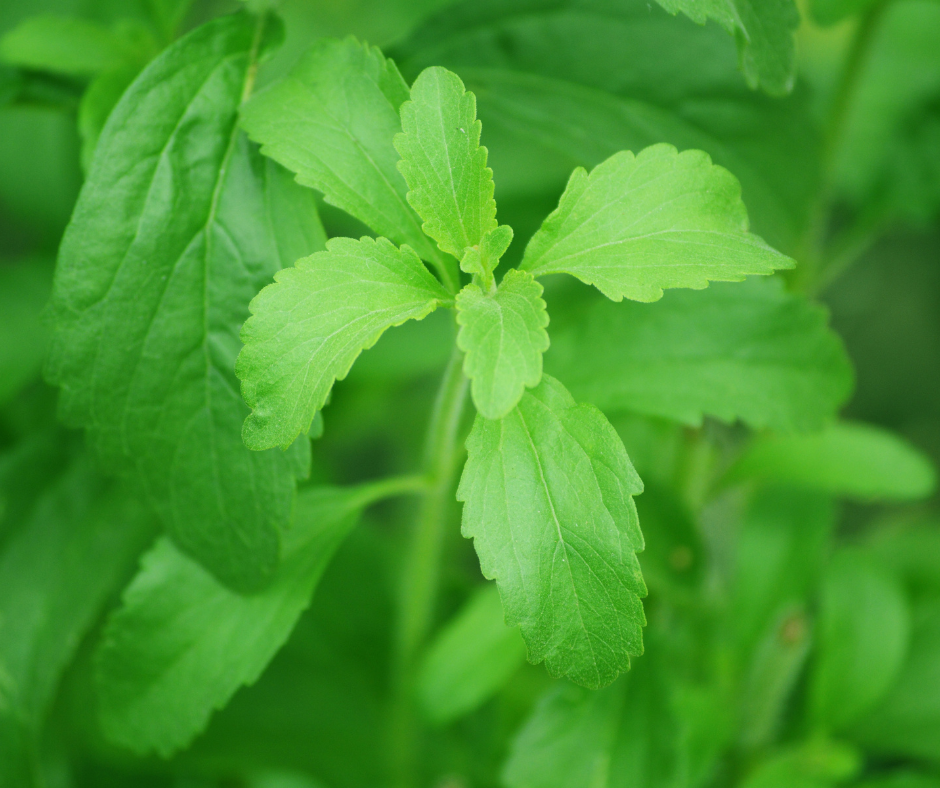
Pro tip: Look for pure stevia extract or whole-leaf stevia powder. Many commercial brands add fillers like maltodextrin or dextrose—read those labels!


Best for: Coffee, tea, smoothies, and light baking.
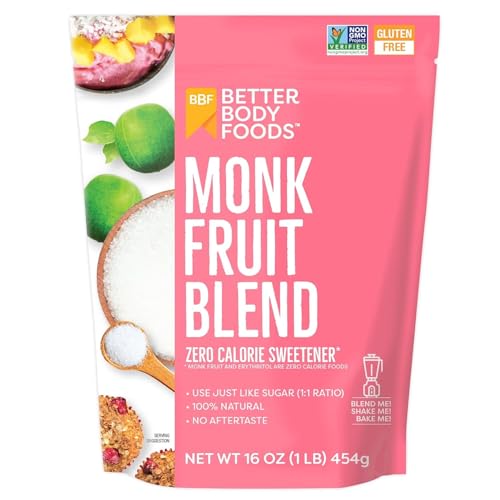
2. Monk Fruit – Ancient Wisdom in Modern Form
This small green melon from Southeast Asia has been used in Traditional Chinese Medicine for hundreds of years. Monk fruit extract (also called luo han guo) is 150-200 times sweeter than sugar and contains powerful antioxidants called mogrosides.
Why I love it: It has zero calories, doesn’t spike blood sugar, and research suggests it may have anti-inflammatory properties. Plus, it doesn’t have the slight bitter aftertaste some people detect in stevia.
Best for: Beverages, yogurt, oatmeal, and desserts.
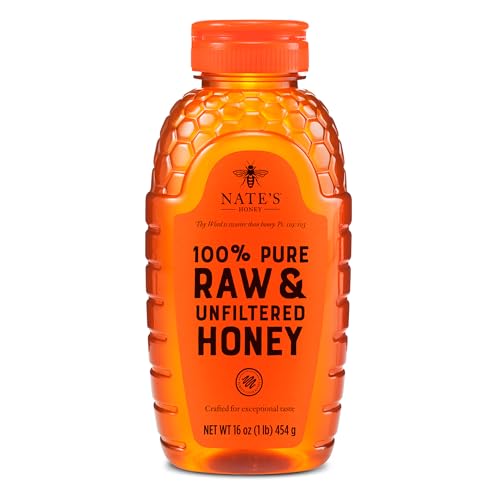
3. Raw Honey – The Golden Healer
Raw, unprocessed honey is so much more than just a sweetener. It contains antioxidants, enzymes, vitamins, minerals, and antimicrobial compounds that have been valued for millennia.
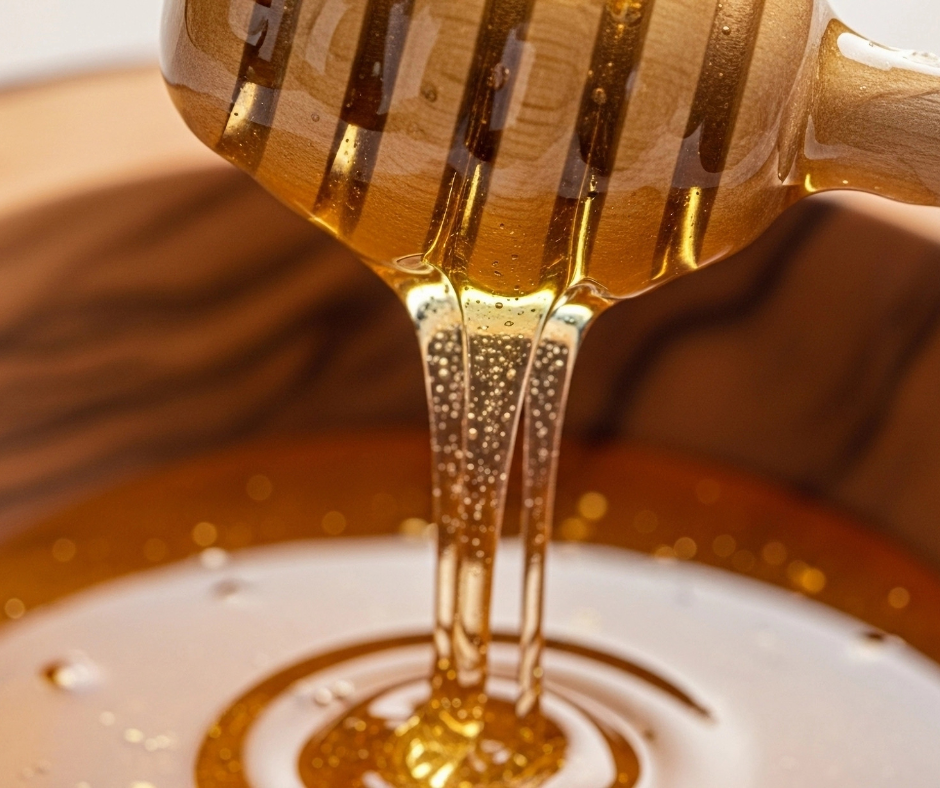
The important distinction: Raw honey retains its beneficial properties, while processed honey has been heated and filtered, stripping away most nutrients.
Reality check: Honey is still a sugar (about 17g per tablespoon), so it will affect blood glucose. Use it mindfully, especially if you’re managing insulin resistance or weight.
Best for: Tea when you’re under the weather, toast, marinades, and salad dressings.
4. Pure Maple Syrup – Liquid Antioxidant Gold
Real maple syrup (Grade A or B, not the corn syrup impostor labeled “pancake syrup”) is tapped directly from maple trees and contains over 24 different antioxidants, plus manganese, zinc, and potassium.
Fun fact: Darker grades (Grade B or “Dark Robust”) contain more beneficial compounds than lighter varieties.
The caveat: Like honey, it’s still sugar—about 13g per tablespoon. But nutritionally, it’s light-years ahead of refined sugar.
Best for: Pancakes, waffles, oatmeal, baking, and glazes.
5. Coconut Sugar – The Low-Glycemic Tropical Option
Made from the sap of coconut palm flowers, coconut sugar contains small amounts of iron, zinc, calcium, and potassium, plus a fiber called inulin that may help slow glucose absorption.
The glycemic index connection: Coconut sugar has a GI of around 35 (compared to table sugar’s 60-65), meaning it causes a slower blood sugar rise.
Truth bomb time: It’s still about 75% sucrose. It’s a better choice than white sugar, but it’s not a free pass to sweetness without consequences.
Best for: Baking cookies and cakes (it substitutes 1:1 for white or brown sugar), coffee, and anywhere you want a subtle caramel flavor.

6. Date Paste & Date Sugar – Nature’s Caramel
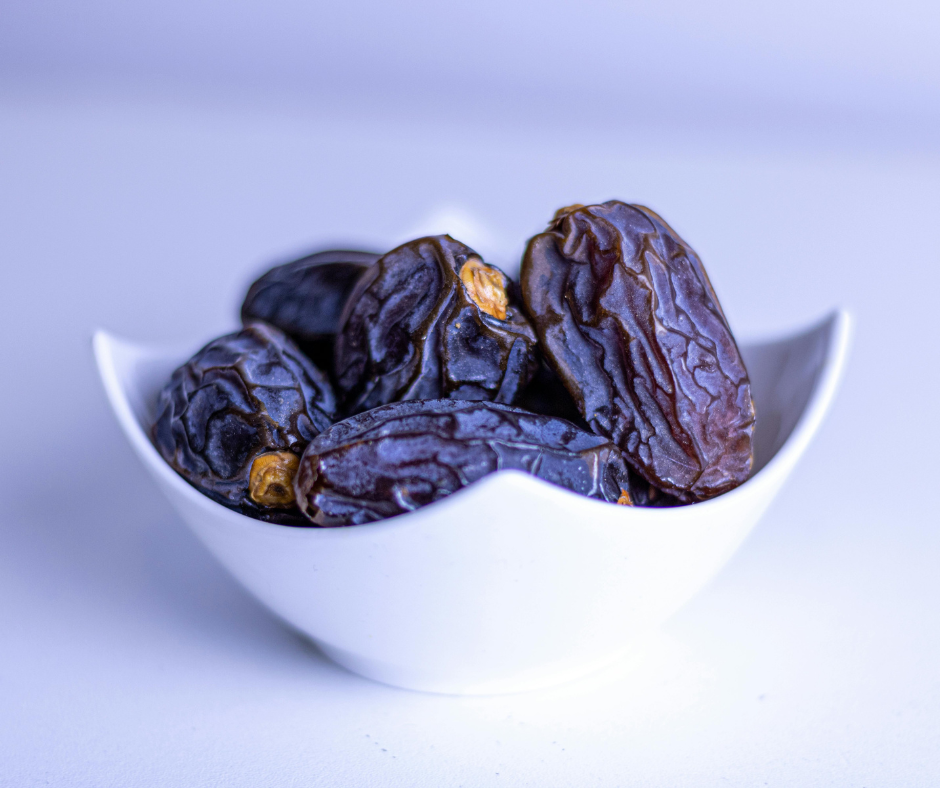
Dates are one of nature’s most concentrated sweet treats, packed with fiber, potassium, magnesium, vitamin B6, and antioxidants.
Date paste: Blend pitted dates with water to create a thick, caramel-like sweetener. The fiber content helps slow sugar absorption, making it gentler on blood sugar than refined alternatives.
Date sugar: Made from dehydrated, ground dates. Unlike other sugars, it doesn’t dissolve, so it’s not ideal for beverages but works beautifully in baking.
Best for:
- Date paste: Energy balls, brownies, smoothies, oatmeal
- Date sugar: Muffins, cookies, granola toppings

7. Blackstrap Molasses – The Mineral Powerhouse
This thick, dark syrup is a byproduct of sugar refining, but unlike its refined cousin, blackstrap molasses is loaded with iron, calcium, magnesium, and potassium.
Who benefits most: Women in menopause often struggle with iron deficiency. One tablespoon of blackstrap molasses provides about 20% of your daily iron needs.
Flavor warning: It has a robust, slightly bitter taste that’s not for everyone. Start with small amounts.
Best for: Gingerbread, baked beans, barbecue sauce, and boosting nutrition in smoothies.

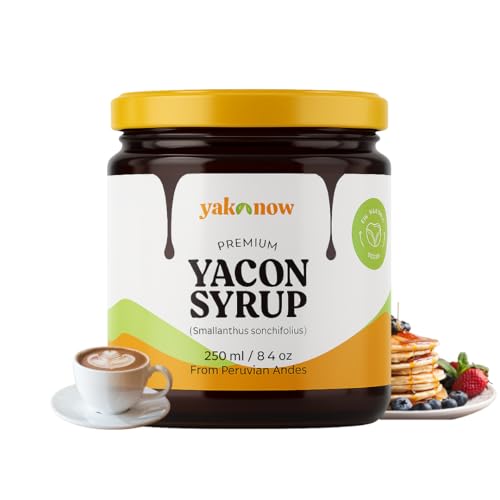
8. Yacon Syrup – The Prebiotic Sweetener
Extracted from the yacon root (native to South America), this syrup is low in calories and contains fructooligosaccharides (FOS)—prebiotic fibers that feed beneficial gut bacteria.
The metabolism bonus: About 50% of yacon syrup’s sugars aren’t absorbed by the body, which means fewer calories and a minimal blood sugar impact.
Research highlight: Some studies suggest yacon syrup may support weight loss and improve insulin sensitivity.
Best for: Drizzling over yogurt, oatmeal, or fruit; not ideal for high-heat baking as heat can break down the beneficial FOS.
9. Fruit Purees & Applesauce – The Baker’s Secret
Mashed bananas, unsweetened applesauce, and pureed berries bring natural sweetness plus fiber, vitamins, and moisture to baked goods.
The substitution magic: Replace half the sugar in recipes with fruit puree. You’ll cut refined sugar significantly while adding nutritional value.
Best combinations:
- Bananas → banana bread, muffins, pancakes
- Applesauce → spice cakes, oatmeal cookies
- Pureed berries → fruit bars, chia puddings
Best for: Baking, smoothies, and naturally sweetening yogurt or oatmeal.
10. Lucuma Powder – The Peruvian Super-Fruit
This golden powder comes from the lucuma fruit, native to Peru, and has been called “Gold of the Incas.” It offers beta-carotene, iron, zinc, vitamin B3, calcium, and protein—unusual for a sweetener.
Taste profile: Subtly sweet with maple and sweet potato notes. It won’t give you the intense sweetness of sugar, but it adds depth and nutrition.
Best for: Smoothies, nice cream, energy balls, and adding a nutritional boost to desserts.
11. Coconut Nectar – The Amino Acid Wonder
Similar to coconut sugar but in syrup form, coconut nectar is the raw sap from coconut blossoms. It contains 16 amino acids, minerals, and vitamin C.
Glycemic index: Around 35, making it a slower-burning energy source than refined sugar.
Best for: Drizzling over pancakes, stirring into tea, or using in raw desserts and dressings.
12. Sweet Vegetable Glycerin – The Unexpected Natural Option
Derived from vegetable oils (often coconut or palm), glycerin is naturally sweet with about 60% of sugar’s sweetness and fewer calories. It’s technically a sugar alcohol but occurs naturally in plants.
Unique properties: It doesn’t crystallize and has a thick, syrupy consistency.
Best for: Beverages, homemade tinctures, and liquid recipes where you want sweetness without added sugar.
Natural Sweeteners Comparison Table
| Natural Sweetener | Calories (per tbsp) | Glycemic Impact | Key Nutrients | Best Use |
|---|---|---|---|---|
| Stevia | 0 | None | Plant compounds | Coffee, tea |
| Monk Fruit | 0 | None | Antioxidants (mogrosides) | Beverages, desserts |
| Raw Honey | 64 | Moderate | Enzymes, antioxidants, antimicrobial | Tea, toast, marinades |
| Maple Syrup | 52 | Moderate | Manganese, zinc, antioxidants | Pancakes, oatmeal |
| Coconut Sugar | 45 | Low-moderate | Iron, zinc, inulin fiber | Baking (1:1 substitute) |
| Date Paste | 66 | Moderate | Fiber, potassium, magnesium | Brownies, energy balls |
| Blackstrap Molasses | 47 | Moderate | Iron, calcium, magnesium | Gingerbread, BBQ sauce |
| Yacon Syrup | 20 | Low | Prebiotic FOS | Yogurt, oatmeal topping |
Are Natural Sweeteners Like Stevia and Monk Fruit Better for You Than Sugar?
Absolutely—and here’s why.
Stevia and monk fruit are extracted directly from plants without chemical processing (when you buy pure versions). They don’t spike your blood sugar, don’t add calories, and won’t trigger the insulin rollercoaster that refined sugar does.
Unlike refined sugar, which offers literally zero nutritional value and actively depletes your body’s B-vitamin stores during metabolism, these natural sweeteners won’t tax your system.
The menopause connection: During perimenopause and menopause, insulin sensitivity often decreases. Choosing sweeteners that don’t impact blood glucose helps you manage weight, reduce hot flashes, and maintain stable energy.
Which Natural Sugar Substitute Is Best for Weight Loss?
If weight loss is your primary goal, zero-calorie natural sweeteners are your best allies:
- Stevia
- Monk fruit
For sweeteners with some calories but added nutritional benefits:
- Yacon syrup (shown in studies to support weight loss)
- Date paste (fiber helps you feel full longer)
Here’s my honest take: While these can help you transition away from refined sugar, the real weight loss magic happens when you gradually retrain your palate to need less sweetness overall. Your taste buds adapt within 2-3 weeks of reducing sugar—I promise.
Which Natural Sugar Alternative Is Safest for People with Diabetes or Blood Sugar Issues?
Stevia and monk fruit are the gold-standard choices for diabetics because they have zero impact on blood glucose and insulin levels.
Runner-up: Yacon syrup, which has minimal blood sugar impact due to its prebiotic fiber content.
Use with caution:
- Honey (pure glucose and fructose)
- Maple syrup (sucrose-based)
- Coconut sugar (lower GI but still impacts blood sugar)
- Date products (high natural sugar content, though fiber helps)
Critical reminder: Always monitor your individual response with a glucose meter and consult with your healthcare provider, especially if you’re on medication.
What Is the Best Natural Sugar Substitute for Baking That Behaves Like Real Sugar?
Coconut sugar is my top pick for traditional baking. It substitutes 1:1 for white or brown sugar in recipes, provides bulk and moisture, and caramelizes beautifully.
For reduced-sugar baking:
- Date paste: Works wonderfully in dense baked goods like brownies and energy bars
- Mashed bananas or applesauce: Replace up to half the sugar in muffins, quick breads, and cakes
Pro tip: Expect slightly different textures and flavors. Coconut sugar adds a subtle caramel note, while fruit purees increase moisture and density.
What Is the Best Natural Sweetener for Coffee or Tea?
Stevia and monk fruit reign supreme for your morning cup. They dissolve easily, don’t add calories, and won’t break your fast if you’re into intermittent fasting.
Personal preference matters: Quality varies dramatically between brands.
My recommendations:
- Look for pure stevia extract or whole-leaf stevia powder (avoid products with maltodextrin)
- Choose 100% monk fruit extract or blends with erythritol (a natural sugar alcohol derived from fruit)
If you prefer liquid sweetness: Try raw honey or coconut nectar for a more traditional sweet experience with added nutrients.
Are Natural Sweeteners Like Honey, Maple Syrup, and Coconut Sugar Actually Healthier Than White Sugar?
Yes—but with important context.
These natural sweeteners contain vitamins, minerals, antioxidants, and beneficial plant compounds that refined sugar has been stripped of entirely. They’re also less processed.
Here’s the nutritional breakdown:
Honey provides:
- Antioxidants and polyphenols
- Antimicrobial properties
- Enzymes (in raw form)
- Trace vitamins and minerals
Maple syrup offers:
- 24+ antioxidant compounds
- Manganese (essential for bone health)
- Zinc (immune support)
Coconut sugar contains:
- Inulin fiber (supports gut health)
- Lower glycemic index
- Iron, zinc, and potassium
The reality check: They’re still primarily sugar and will impact blood glucose. Think of them as nutrient-enhanced sugars rather than health foods. Use them strategically and sparingly—especially during menopause when metabolic health becomes more challenging.
Do Natural Sugar Substitutes Affect Gut Health, Cravings, or Appetite?
The gut health piece:
Beneficial for gut health:
- Yacon syrup: Contains prebiotic FOS that feeds beneficial bacteria
- Raw honey: Contains oligosaccharides that support healthy gut flora
- Coconut sugar: Inulin fiber acts as a prebiotic
Neutral impact:
- Stevia and monk fruit (when pure) don’t significantly affect gut bacteria
Cravings and appetite:
This is highly individual. Some women find natural sweeteners help them transition away from refined sugar without feeling deprived. Others notice they perpetuate sweet cravings.
My advice: Pay attention to how you feel. If natural sweeteners make you hungrier or trigger binge tendencies, it might be a sign to reduce overall sweetness—even from natural sources.
The menopause factor: Hormonal fluctuations already mess with appetite regulation. Be extra mindful of how different sweeteners affect your hunger and cravings.
How Much of Any Natural Sugar Alternative Is Safe to Use Each Day?
For zero-calorie natural sweeteners (stevia, monk fruit): There’s no established upper limit, and they’re considered GRAS (Generally Recognized As Safe) by regulatory agencies. That said, moderation is always wise.
For natural sweeteners with calories:
The American Heart Association recommends no more than 25g of added sugar daily for women. This includes natural sugars from honey, maple syrup, coconut sugar, and dates.
Practical guidelines:
- 1-2 tablespoons of honey or maple syrup daily (max)
- Use fruit-based sweeteners liberally in whole fruit form (the fiber helps)
- Listen to your body—if you’re experiencing blood sugar crashes, energy dips, or increased cravings, pull back
Bottom line: Don’t replace one addiction with another. The goal is to retrain your palate to appreciate less sweetness overall, whether from refined or natural sources.
What Is the Difference Between “Sugar-Free,” “No Added Sugar,” and “Unsweetened” on Labels?
Let’s decode the marketing speak so you’re not fooled:
- Sugar-free: Contains less than 0.5g sugar per serving (may still contain natural or artificial sweeteners)
- No added sugar: No sugar or sweetener was added during processing, but the product may contain naturally occurring sugars (like fruit sugar in juice)
- Unsweetened: No sweeteners of any kind added—this is the purest option and what I recommend looking for
Read ingredient lists carefully—companies love playing word games to make products seem healthier than they are.
Watch for sneaky names for refined sugar:
- Cane juice/crystals
- Dextrose
- Maltose
- High fructose corn syrup
- Glucose syrup
How Can I Gradually Transition from Refined Sugar to Natural Alternatives Without Feeling Deprived?
Start small. Don’t overhaul everything overnight or you’ll feel overwhelmed.
Week 1: Replace refined sugar in your coffee or tea with stevia or monk fruit
Week 2: Swap refined sugar in one daily snack (use date paste in energy balls, coconut sugar in homemade granola)
Week 3: Experiment with natural sweeteners in your favorite baking recipe
Week 4: Start reducing overall sweetness levels—use less sweetener than recipes call for
Mindset shift: You’re not “giving up” anything—you’re upgrading to options that support your body during menopause instead of sabotaging it.
Practical strategies:
Retrain your palate:
- Fresh fruit becomes incredibly satisfying when your taste buds aren’t desensitized
- Dark chocolate (70%+ cacao) satisfies sweet cravings with antioxidant benefits
- Cinnamon, vanilla, and cardamom add perceived sweetness without sugar
Meal timing matters:
- Eat protein and healthy fats with any sweet treat to slow sugar absorption
- Save natural sweets for after meals rather than on an empty stomach
Create new rituals:
- Replace afternoon cookies with herbal tea and a handful of dates
- Swap nightly ice cream for “nice cream” (frozen banana blended with cacao)
The Sweet Spot: Your Natural Sweetener Action Plan
Here’s what I want you to remember: Mother Nature has given us incredible alternatives to refined sugar that actually nourish our bodies while satisfying our sweet tooth.
For everyday use, I recommend stevia or monk fruit for zero-calorie sweetness. For baking, coconut sugar is your 1:1 substitute. When you want wholesome nutrition with your sweetness, reach for raw honey, pure maple syrup, or date paste.
The real magic happens when you gradually reduce your overall dependence on sweetness—whether from refined sugar or natural alternatives. Your taste buds adapt, your cravings diminish, and you discover flavors you’d been drowning in sugar for years.
During menopause specifically, managing blood sugar becomes crucial for:
- Reducing hot flashes and night sweats
- Maintaining stable energy throughout the day
- Supporting healthy weight management
- Preserving bone density
- Protecting cardiovascular health
Natural sweeteners give you the tools to enjoy sweetness while actually supporting these goals.
Now it’s your turn: What’s your biggest challenge with cutting back on refined sugar? Have you tried any of these natural alternatives? Drop a comment below—I’d love to hear your story and help you troubleshoot.
And if this guide helped you navigate the sweet confusion, share it with a friend who’s also navigating the menopause maze. We’re all in this together.
Your next step: Pick ONE natural sweetener from this list to try this week. Just one. Start there. Small changes create lasting transformation.
Affiliate Disclosure
This post may contain affiliate links, which means I may receive a small commission if you purchase through links provided, at no additional cost to you. I only recommend natural products I personally use or genuinely believe will add value to your health journey. Your support helps keep this content free and allows me to continue providing evidence-based guidance on natural wellness during menopause. Thank you for reading and for supporting small, independent health content creators!